 Save
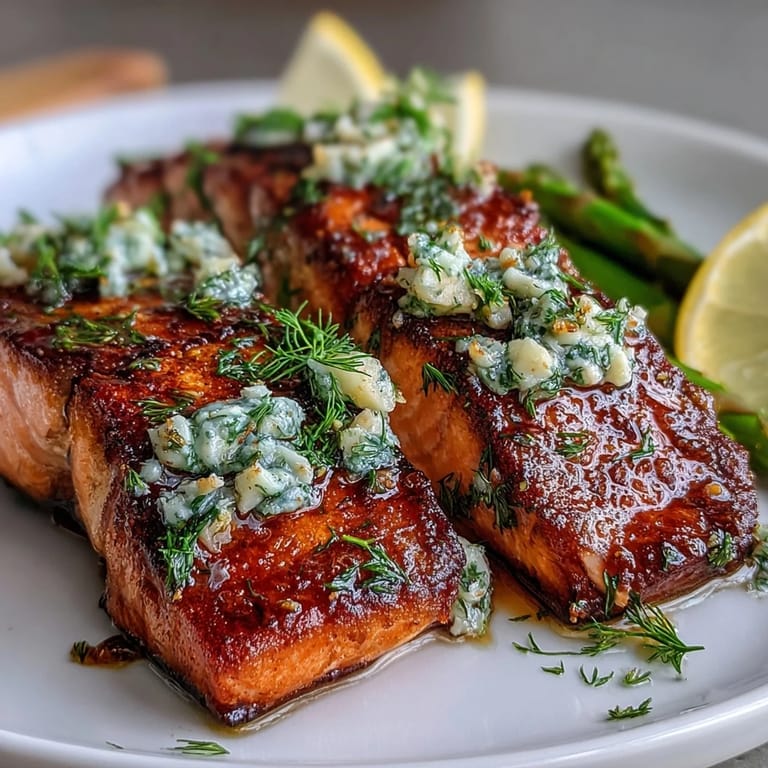
Save There's something about spring that makes me crave salmon, and one evening while browsing the farmers market, a pile of impossibly fresh asparagus caught my eye alongside beautiful fillets that practically gleamed under the lights. I went home with barely a plan, just a hunch that butter, garlic, and high heat would do the heavy lifting. Twenty minutes later, my kitchen smelled like a restaurant, and I'd accidentally created something so elegant that my guests thought I'd spent hours fussing in the kitchen.
I made this for my sister's first dinner party in her new apartment, and I remember her stress melting away the moment she realized she could prep everything while the oven did the work. She stood at her kitchen counter sipping wine, and by the time guests arrived, she was actually relaxed instead of flustered—that's when I knew this recipe was a keeper.
Ingredients
- Salmon fillets (4, about 6 oz each), skin-on or skinless: Skin-on holds together better and crisps up beautifully, but skinless works fine if that's what you prefer or what looks freshest at your counter.
- Fresh asparagus (1 lb), woody ends trimmed: Hold each spear and bend it gently—it'll snap naturally right where the tender part begins, saving you from that woody texture that ruins everything.
- Lemon (1), sliced into rounds: These aren't just for decoration; they infuse the fish with brightness and prevent it from drying out.
- Fresh parsley (2 tbsp, chopped, optional): A last-minute sprinkle adds color and a fresh herbal note that makes people ask what your secret is.
- Unsalted butter (4 tbsp, melted): Use real butter here—it's the soul of this dish and worth the few extra minutes it takes to melt properly.
- Garlic (3 cloves, minced): Don't skip the mincing step; rough chunks cook unevenly and can turn bitter, while fine pieces distribute their flavor evenly throughout the sauce.
- Fresh lemon juice (1 tbsp): Bottled lemon juice tastes thin compared to the real thing; squeeze it fresh if you have time.
- Dijon mustard (1 tsp): This adds a subtle tang that brightens the butter without making the dish taste mustard-forward.
- Salt (1/2 tsp) and black pepper (1/4 tsp): Season generously on the salmon itself before the sauce goes on, not just in the butter.
- Crushed red pepper flakes (1/4 tsp, optional): A whisper of heat cuts through the richness and wakes up your palate with each bite.
Tired of Takeout? 🥡
Get 10 meals you can make faster than delivery arrives. Seriously.
One email. No spam. Unsubscribe anytime.
Instructions
- Prep your oven and pan:
- Heat your oven to 400°F and line a large baking sheet with parchment paper or foil—this is insurance against sticking and makes cleanup laughably easy. Make sure your oven rack is in the middle position so the heat circulates evenly around everything.
- Arrange your salmon and asparagus:
- Place the salmon fillets in the center of the baking sheet, leaving space around each one so they roast instead of steam. Scatter the trimmed asparagus around them in a single layer, then tuck lemon slices artfully between the fish and vegetables—it looks intentional and actually serves a purpose.
- Build the garlic butter sauce:
- In a small bowl, whisk together the melted butter, minced garlic, lemon juice, Dijon mustard, salt, pepper, and red pepper flakes until everything is smooth and combined. Taste it quickly with a clean spoon and adjust the lemon juice or salt if it needs more brightness or seasoning.
- Coat everything generously:
- Drizzle the garlic butter sauce evenly over the salmon and asparagus, making sure both get coated but not drowned. Reserve a little extra in the bottom of the bowl to spoon over at the end if you're feeling generous.
- Roast until perfect:
- Slide the baking sheet into the oven and roast for 15 to 18 minutes, watching toward the end—salmon continues cooking even after you remove it, so you want it just barely flaking when you check it. The asparagus should be tender enough to cut easily but still have a tiny bit of resistance so it doesn't turn mushy.
- Finish and serve:
- Pull everything out of the oven, give it a moment to settle, then sprinkle with fresh parsley if you have it. Serve immediately while the butter is still warm and glossy, with extra lemon wedges on the side for anyone who wants more brightness.
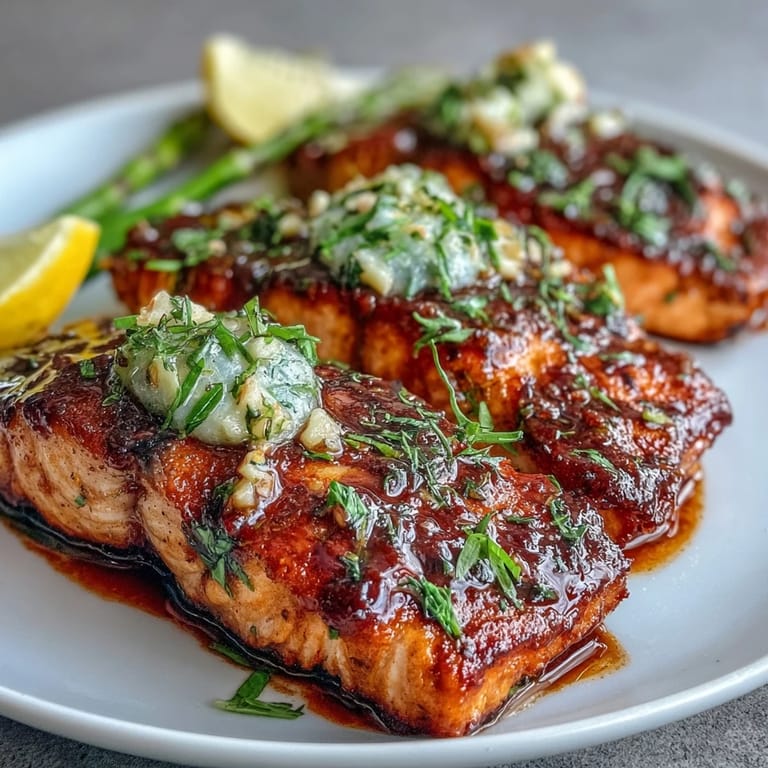 Save
Save My neighbor smelled this cooking through our shared wall and actually knocked on my door to ask what I was making, which felt like the highest compliment. We ended up sharing the dish with them, and now they ask me to make it every spring—it's become our unofficial season opener.
Timing and Temperature Matter
The sweet spot for salmon is that moment when it's still slightly translucent in the very center—it'll continue cooking for another minute or two after you pull it out, and that residual heat brings it to perfect doneness. If you wait for it to be completely opaque in the pan, you've already cooked it past its best point, and nobody wants dry salmon no matter how good the sauce is.
Building Flavor Layers
The lemon juice in the butter sauce does double duty: it brightens the richness and prevents the garlic from tasting one-dimensional. That Dijon mustard is subtle enough that nobody identifies it specifically, but everyone notices how the dish tastes more interesting and complex than you'd expect from something so simple.
Flexibility in the Kitchen
This recipe is forgiving enough that you can swap out vegetables based on what's fresh or what you have on hand. Green beans, broccolini, or even thin slices of zucchini work beautifully, and the cooking time stays the same because they all roast at similar rates. The real magic is the butter and garlic, so as long as you keep those constant, you can make this dish your own.
- If you want extra richness, grate a little Parmesan cheese over the asparagus before it hits the oven.
- A splash of white wine in the butter sauce adds complexity if you're feeling adventurous.
- Serve this with whatever sides feel right to you—roasted potatoes, rice, or just a simple green salad.
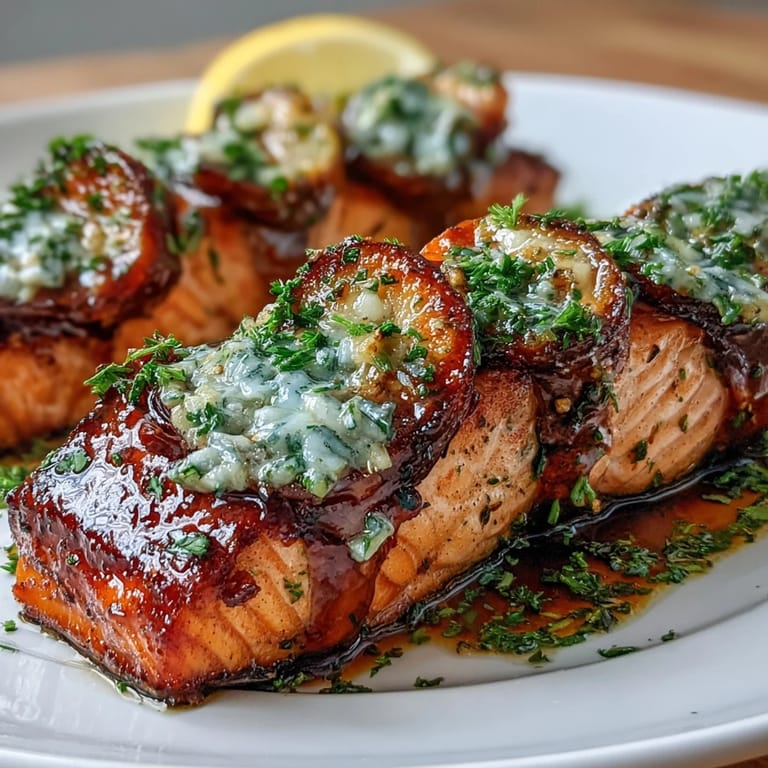 Save
Save This dish has become my go-to when I want to feel confident cooking for people I care about without spending the whole evening in the kitchen. It's simple enough that anyone can make it, but elegant enough that it feels special.
Kitchen Questions
- → What type of salmon works best?
Salmon fillets with or without skin both roast well; skin-on helps keep moisture during cooking.
- → Can I substitute the asparagus?
Yes, green beans or broccolini make great alternatives and roast similarly alongside the salmon.
- → How do I ensure the salmon stays moist?
Using the garlic butter sauce and roasting at the right temperature helps keep the salmon tender and juicy.
- → Is it necessary to use Dijon mustard in the sauce?
Dijon mustard adds subtle tang and helps emulsify the sauce but can be adjusted or omitted based on taste.
- → Can I prepare this meal ahead of time?
While best served fresh, you can marinate the salmon in the sauce ahead and roast just before serving.