 Save
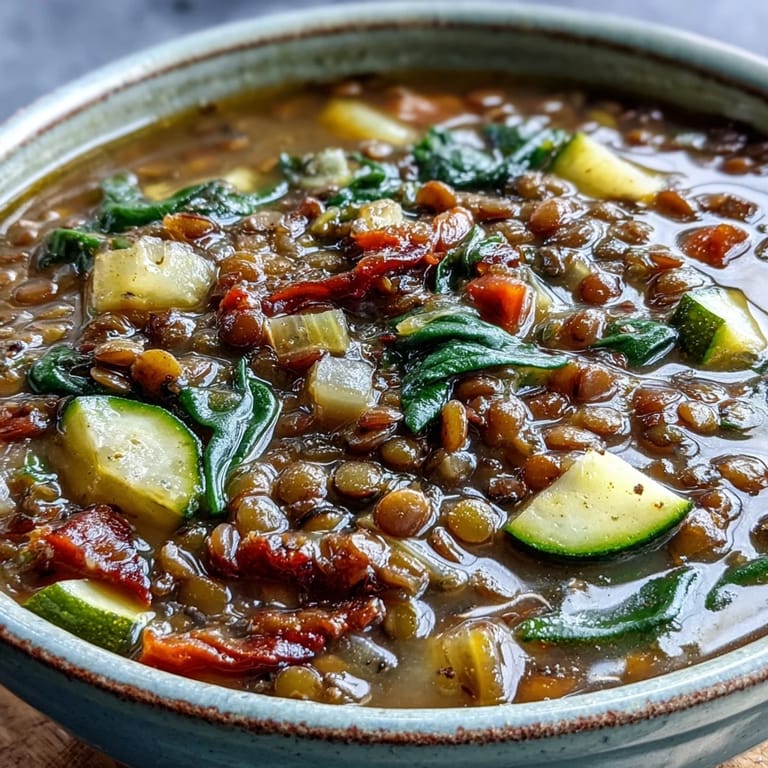
Save There's something grounding about stirring a pot of lentil soup on a quiet afternoon—the way the broth gradually darkens as the lentils soften, the smell of cumin and paprika filling your kitchen like an invisible hug. I discovered this particular version while experimenting with what I had on hand during a particularly rainy week, and it became the soup I turn to whenever I need comfort without fuss. The beauty of it is how forgiving it is; you can swap vegetables based on what's in your crisper drawer and still end up with something deeply satisfying. It's the kind of meal that tastes even better the next day, which I learned after accidentally making too much and being very happy about it.
I made this soup for my neighbor last winter after she'd been under the weather, and watching her face light up when she tasted it reminded me that the simplest dishes often carry the most meaning. She asked for the recipe right then and there, standing in her doorway with the warm bowl in her hands, and I realized this wasn't just about lentils and vegetables—it was about showing up for someone in a tangible way. That moment shifted how I think about cooking everyday food.
Ingredients
- Dried brown or green lentils (1 cup/200 g): These hold their shape beautifully and don't turn to mush, which I learned the hard way with red lentils that dissolved into a paste. Rinsing them first removes any dust and prevents that slightly gritty texture.
- Onion, carrots, celery (diced): This is the holy trinity that builds flavor—start here and you're already halfway to something delicious.
- Garlic (2 cloves, minced): Added after the softer vegetables so it doesn't burn and turn bitter, which completely changes the soup's character.
- Zucchini (1 medium, diced): Goes in later so it stays tender and fresh-tasting rather than dissolving into the broth.
- Tomatoes (1 cup/150 g, fresh or canned): The acidity brightens everything and helps the spices shine through.
- Spinach or kale (2 cups/60 g, chopped): A last-minute addition that adds nutrition without overwhelming the soup's flavor balance.
- Vegetable broth (6 cups/1.5 L): Use a good quality one if you can—it becomes the backbone of every spoonful.
- Olive oil (2 tbsp): Just enough to sauté without making the soup feel heavy.
- Ground cumin (1 tsp): Brings earthiness and warmth that lentils naturally complement.
- Smoked paprika (1 tsp): This is what gives the soup depth and a subtle smoky undertone that feels almost luxurious.
- Dried thyme (1/2 tsp): Herbal but not domineering—it ties all the spices together.
- Bay leaf (1): Always remove it before serving, a lesson I learned after accidentally biting into one and understanding why people warn about it.
- Salt and pepper (to taste): Wait until the end to season; the broth concentrates as it simmers.
Tired of Takeout? 🥡
Get 10 meals you can make faster than delivery arrives. Seriously.
One email. No spam. Unsubscribe anytime.
Instructions
- Start the flavor base:
- Heat olive oil in a large pot over medium heat, then add your diced onion, carrots, and celery. Let them sauté for about 5 minutes, stirring occasionally, until the onion turns translucent and everything softens just slightly. You'll know it's ready when the vegetables have released their juices and the pot smells sweet and inviting.
- Build the aromatic layer:
- Add your minced garlic and cook for just 1 minute—this is crucial because garlic burns faster than you'd think and becomes unpleasantly bitter. You want to hit that sweet spot where it's fragrant and golden but still tender.
- Toast the spices:
- Stir in your cumin, smoked paprika, and thyme, cooking for about 30 seconds until the spices become fragrant and bloom in the oil. This small step transforms them from dusty powder into something alive and complex.
- Add the lentils and liquid:
- Pour in your rinsed lentils, chopped tomatoes, and vegetable broth, then add the bay leaf and stir everything together. The mixture might look a bit thin at this point, but don't worry—the lentils will absorb liquid and thicken the soup as it cooks.
- Simmer the soup:
- Bring everything to a boil, then immediately reduce the heat to a gentle simmer and cover the pot partially. Let it cook undisturbed for about 20 minutes, allowing the lentils to soften without falling apart.
- Add the zucchini:
- After 20 minutes, add your diced zucchini and continue simmering for another 10 minutes until the lentils are completely tender and the zucchini is soft but still holds its shape. The soup will have thickened noticeably by now.
- Finish with greens:
- Stir in your chopped spinach or kale and cook for just 2-3 minutes until it's wilted and bright green. Adding the greens at the end preserves their color and nutrition.
- Taste and adjust:
- Remove the bay leaf, then taste your soup and season generously with salt and pepper. This is where it all comes together—a good pinch of salt can transform a decent soup into one that tastes restaurant-quality.
 Save
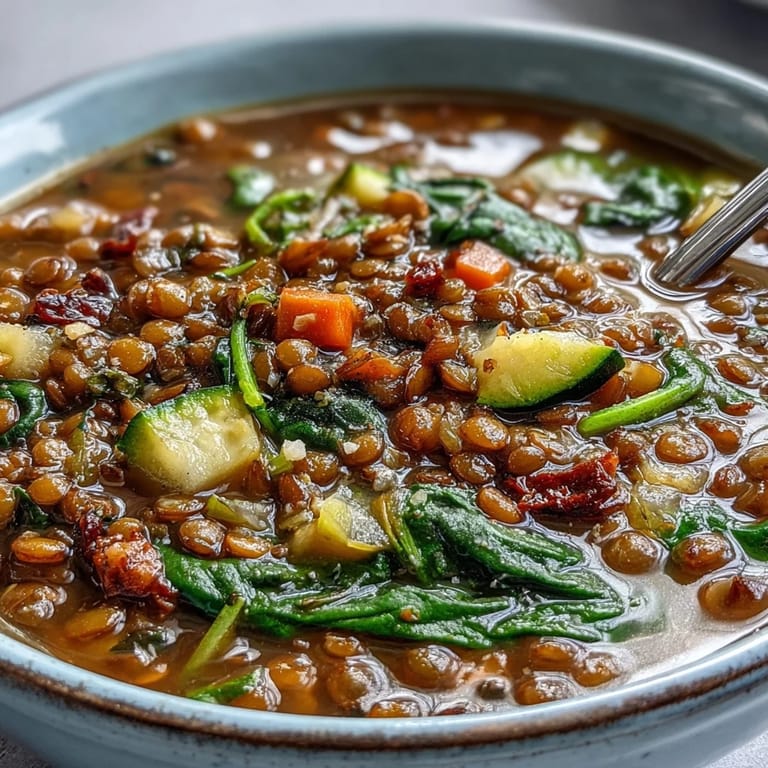
Save There was an evening when my teenage nephew came home from school in a foul mood, and I wordlessly set a bowl of this soup in front of him with some crusty bread and a squeeze of lemon. By the third spoonful, he was a different person—calmer, warmer, more himself. It struck me then that soup does something special: it slows you down, it warms you from the inside, and it feels like someone cares about you in the most unpretentious way possible.
Why This Soup Stays in My Rotation
The practicality of it keeps me coming back. I can make this in under an hour on a weeknight, it doesn't require any special equipment or obscure ingredients, and it gets better as it sits in the fridge—which means I can make it on Sunday and actually enjoy my evenings afterward. The fact that it's naturally vegan and gluten-free means I can serve it to almost anyone without the usual dietary dance of substitutions and apologies.
Swaps and Seasonal Variations
This is where the recipe opens up and becomes yours. In autumn, I swap zucchini for diced sweet potato, which adds natural sweetness and makes the soup feel more substantial. Winter versions get parsnips or extra carrots, and spring brings fresh peas or asparagus if I'm feeling fancy. The spices stay the same, but the vegetables change with what's available and what the season feels like, which is how a recipe transforms into a trusted habit.
Serving and Storage
Serve this hot, garnished with fresh parsley and a wedge of lemon for squeezing—the acid brightens everything and adds a final layer of complexity. It reheats beautifully on the stovetop or in the microwave, though the first bowl fresh from the pot is always the star. The soup keeps well in the refrigerator for up to 5 days and freezes for up to 3 months, which is why I often make a double batch and thank my past self later.
- Crusty bread is non-negotiable: It gives you something to do with your hands and soaks up the broth in the best way.
- A squeeze of lemon at the end changes everything: It's the difference between a good soup and one you think about days later.
- Make it your own: Add heat with a dash of cayenne, creaminess with coconut milk, or richness with a swirl of tahini—this recipe welcomes experimentation.
 Save
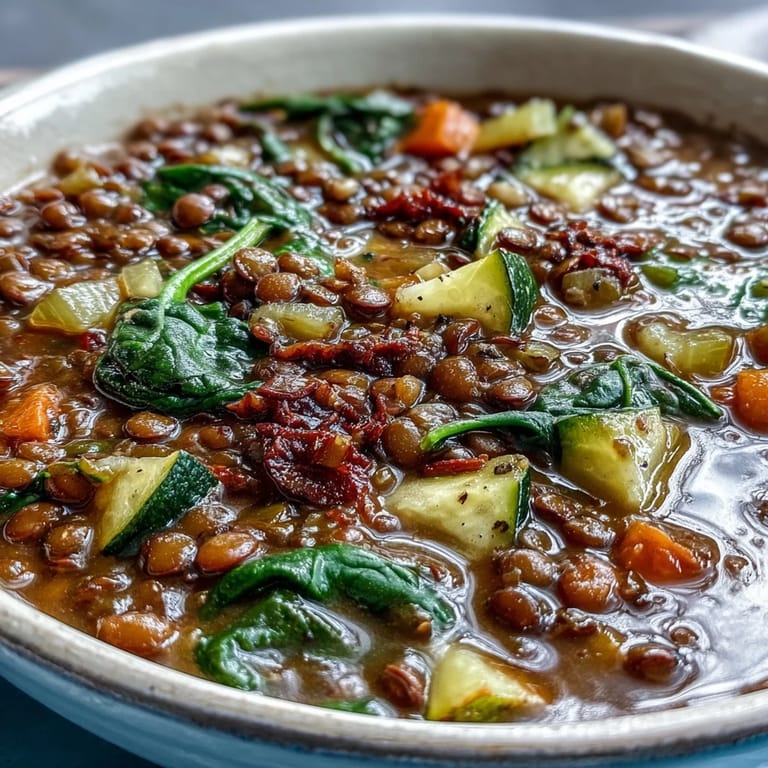
Save This soup has become my go-to answer for 'what's for dinner,' and I hope it becomes the same for you. There's real nourishment here—not just nutritionally, but in the kind of comfort that comes from something made with care and intention.
Kitchen Questions
- → Can I use different types of lentils?
Red lentils work well but cook faster, becoming creamier. French green lentils hold their shape better and may need slightly more cooking time. Avoid pre-packaged seasoned mixes.
- → How long does this keep in the refrigerator?
Store in an airtight container for up to 5 days. The flavors actually develop and improve after a day or two. Reheat gently on the stovetetop, adding a splash of broth if needed.
- → Can I freeze this soup?
Yes, freeze for up to 3 months. Cool completely before transferring to freezer-safe containers. Thaw overnight in the refrigerator and reheat on the stovetop.
- → What can I substitute for the zucchini?
Sweet potatoes, butternut squash, bell peppers, or parsnips work beautifully. Adjust cooking time accordingly—root vegetables may need an extra 5-10 minutes to become tender.
- → How can I make this soup more filling?
Serve with crusty bread, add a grain like rice or quinoa during the last 15 minutes of cooking, or stir in a can of drained chickpeas with the greens for extra protein and heartiness.
- → Is it necessary to rinse the lentils?
Yes, rinsing removes dust, debris, and any small stones. It also helps ensure even cooking and prevents the broth from becoming cloudy.