 Save
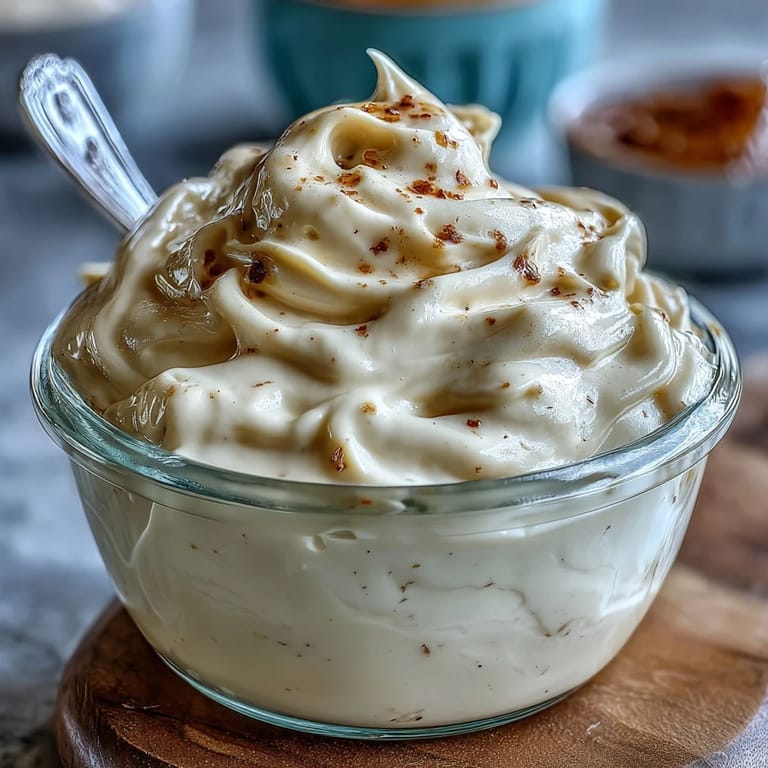
Save When I first tried making mayonnaise from scratch, I was skeptical that five minutes and a blender could possibly yield something tastier than what I scraped out of the jar. The sound of the immersion blender whirring softly and the faint aroma of tangy mustard instantly filled my tiny kitchen, surprising me with how easy and inviting the process felt. There's something deeply satisfying about watching simple ingredients emulsify into creamy perfection—especially on a rushed morning when all I wanted was a fresh sandwich spread. Even now, every time I blend up a new batch, I notice how the glossy texture signals the exact moment it's ready. It's become a small kitchen ritual that feels oddly special, despite its speed.
I remember making a double batch for a quick summer lunch with friends—someone asked if I’d bought "that fancy mayo" and was floored to learn I’d whipped it up on the spot. There was a moment of playful competition afterward, as everyone tried to guess the secret ingredient that made the flavor so good. We ended up passing the jar around, dipping everything from torn baguette to carrot sticks, laughing harder every time someone claimed they could "taste the love." It’s these impromptu taste tests that make the process memorable, especially when your homemade creation gets praised for its brightness and creaminess. That gathering still feels like proof that homemade really is worth the five-minute fuss.
Ingredients
- 1 large egg (room temperature): The egg is essential for emulsifying; letting it come to room temperature improves the final texture and helps the mayo thicken properly.
- 1 tablespoon Dijon mustard: Dijon brings a gentle heat and depth; I learned that starting with a good quality mustard makes all the difference in flavor.
- 1 tablespoon white wine vinegar or lemon juice: This tang brightens the mayo and acts as a stabilizer; sometimes I mix both for a more complex acidity.
- 1 cup neutral oil (sunflower, canola, or light olive oil): The oil is the backbone—using a neutral oil ensures the mayo tastes smooth, not overpowering.
- 1/2 teaspoon fine sea salt: The salt wakes up all the flavors; sprinkling it in early helps everything dissolve thoroughly.
- 1/4 teaspoon freshly ground black pepper (optional): Pepper adds a slight kick; sometimes I skip it, but fresh grinding at the end is my favorite touch.
Tired of Takeout? 🥡
Get 10 meals you can make faster than delivery arrives. Seriously.
One email. No spam. Unsubscribe anytime.
Instructions
- Prep the blending container:
- Grab a tall, narrow vessel that lets the blender reach all the ingredients easily—it's key for quick emulsification and less mess.
- Layer the essentials:
- Add the egg, Dijon mustard, vinegar or lemon juice, salt, and pepper if using, feeling the subtle scents mix together.
- Pour in the oil:
- Carefully drizzle the oil over the top, watching as it sits and shimmers above the other layers.
- Start blending:
- Immerse the blender all the way to the bottom, then gently buzz for about 10 seconds until you spot the first creamy swirl.
- Emulsify fully:
- Raise the blender slowly, moving it up and down so the oil and egg merge together; keep blending until you have a thick, glossy mayo.
- Taste and tweak:
- Dip in a spoon to test for salt and tang, adjusting as needed before transferring to a clean jar.
- Store and savor:
- Seal tightly and refrigerate—homemade mayo stays fresh and flavorful for up to a week.
 Save
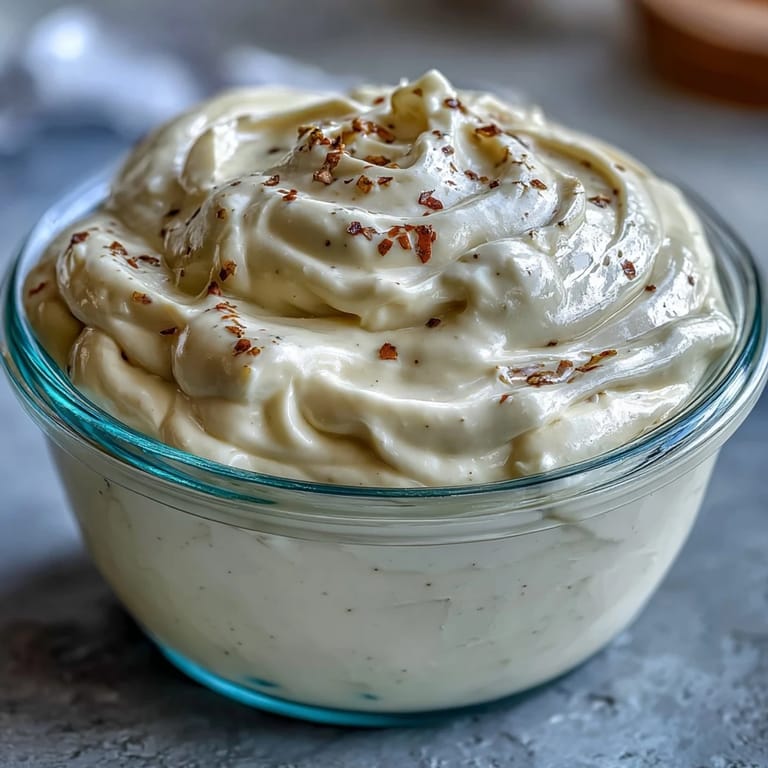
Save One time, making this mayo turned an ordinary lunch into an impromptu family taste-off, each person customizing their dollop with a pinch of paprika or splash of extra lemon. We ended up laughing over who created the "ultimate dip." That moment made me realize how something simple can spark connection and creativity. Homemade mayo became more than a condiment—it was a catalyst for conversation. Now, whenever I make it, I remember how food brings people together.
Making Extra Variations
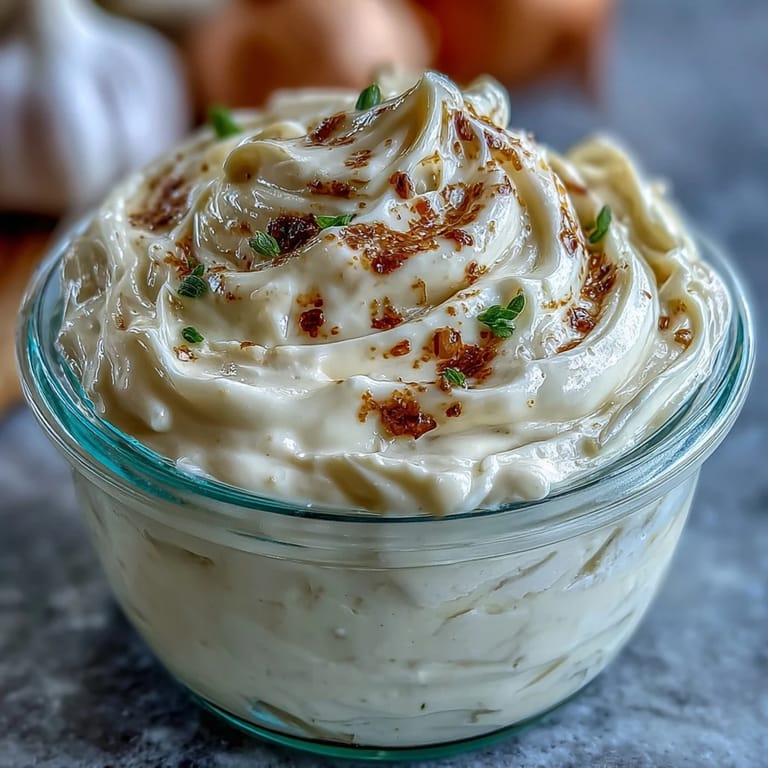
If you ever feel adventurous, try stirring in roasted garlic, chipotle, or fresh herbs for a new twist—each blend changes the color and mood of the mayo. Surprisingly, garlic transforms it into aioli, perfect for fries and fish. The whole process is so quick that it’s easy to keep experimenting until the flavor fits your craving of the day. I love how flexible the recipe is, letting me whip up a custom batch for any meal. Even just an extra splash of lemon can brighten a rainy afternoon sandwich.
Keeping It Fresh and Safe
Storing homemade mayo properly is crucial: always use a clean jar and refrigerate promptly. I learned to label my jars with the date so nothing gets forgotten in the fridge. Using pasteurized eggs can ease any worries about raw ingredients, especially when serving kids or guests. Oil choice matters—avoid strongly flavored oils unless you want the taste to shine through. This trick keeps the mayo light enough for salads or more delicate dishes.
Troubleshooting in a Pinch
If your mayo turns runny, don’t panic—whisk in a fresh egg yolk to help re-emulsify. Sometimes, blending with a steady hand can fix a batch that split or looks uneven. Remember, patience pays off when you raise the blender slowly instead of rushing.
- Keep all ingredients at room temperature—not cold or hot—for best results.
- If adding flavors, blend them in at the end so you don’t overpower the base.
- Homemade mayo is best enjoyed within a week for peak freshness.
 Save
Save Mayonnaise made in minutes feels like a kitchen superpower—use it to turn simple meals into something memorable. Hope your next batch brings both flavor and fun to the table!
Kitchen Questions
- → What oil works best for homemade mayonnaise?
Neutral oils like sunflower, canola, or light olive oil provide a mild flavor and smooth texture.
- → How long can freshly made mayonnaise be stored?
Keep your mayonnaise sealed in the refrigerator and use within one week for best quality and safety.
- → Can I use pasteurized eggs?
Yes, pasteurized eggs are a safe choice, especially for those concerned about consuming raw eggs.
- → How do I make the mayonnaise tangier?
Increase vinegar or lemon juice by up to 2 teaspoons for a brighter, tangier flavor.
- → Can I add extra flavors?
Blend in garlic or herbs to create variations like aioli or herb-infused mayonnaise.
- → Does olive oil change the taste?
Olive oil gives a stronger flavor; use light olive oil for a milder result or blend with other oils.