 Save
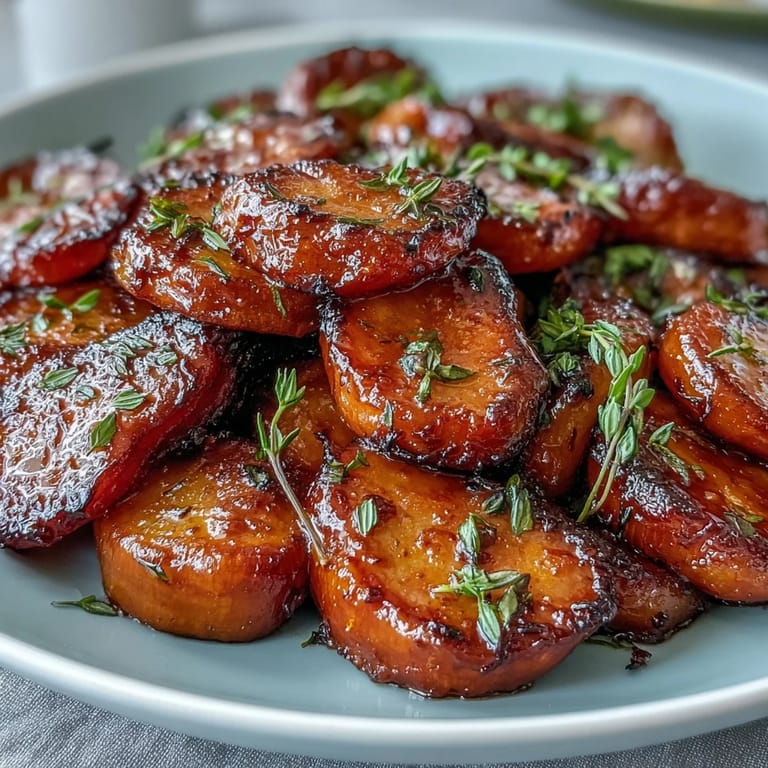
Save My grandmother used to make these honey roasted carrots every Easter, and I'd watch the kitchen fill with this golden, caramelized smell that somehow felt like spring itself. Years later, I realized she was roasting parsnips alongside them, though I'd been too young to notice the difference. The first time I made them on my own, I nearly burned the batch by forgetting to stir halfway through, but that happy accident taught me that the darkened, crispy edges are exactly where the magic lives.
I brought this dish to a potluck once where someone's cranky uncle was skeptical about "fancy vegetables," and he somehow ate almost half the pan before anyone else got seconds. That moment stuck with me because it proved that simple, honest cooking speaks louder than any ingredient list or technique.
Ingredients
- Carrots and Parsnips: Peel them fresh and cut into sticks about the same thickness so everything roasts evenly; I learned the hard way that uneven pieces leave you with some mushy and some still crunchy.
- Honey: Use the real stuff, not the squeeze bottle, because it caramelizes differently and brings a depth that imitation versions just can't match.
- Olive Oil: This is what helps the vegetables get those gorgeous golden edges, so don't skimp or substitute it with cooking spray.
- Fresh Thyme: If you can find it, strip the tiny leaves from the stems by running your finger backward along the branch; dried thyme works fine, but fresh adds a little brightness that lingers on the palate.
- Sea Salt and Black Pepper: These aren't just seasoning; they're what prevent the dish from tasting one-note sweet, so grind the pepper fresh if you have a mill.
- Fresh Parsley: Optional but honestly essential; the green color and mild peppery note make the whole thing look intentional and feel fresher.
Tired of Takeout? 🥡
Get 10 meals you can make faster than delivery arrives. Seriously.
One email. No spam. Unsubscribe anytime.
Instructions
- Heat Your Oven and Prep Your Pan:
- Get the oven to 400°F while you line a baking sheet with parchment paper; this part takes two minutes but saves you from scrubbing caramelized honey off a pan for twenty minutes later.
- Prepare Your Vegetables:
- Peel the carrots and parsnips, then cut them into sticks roughly the size of your pinky finger. The uniformity matters here because it means they'll finish roasting at the same time.
- Make the Glaze:
- In a small bowl, whisk together the honey, olive oil, thyme, salt, and pepper until it's smooth and fragrant. You'll smell the thyme releasing its oils right into the honey, which is your signal that you're doing it right.
- Coat Everything Evenly:
- Toss the vegetables with the glaze in a large bowl, making sure every stick gets coated; this is the moment where dirty hands work better than any utensil, so don't be shy about getting in there.
- Spread and Roast:
- Lay the vegetables in a single layer on the prepared sheet and roast for 30 to 35 minutes, stirring halfway through to encourage even caramelization. Listen for a gentle sizzle when you stir; that's the sound of something beautiful happening.
- Finish and Serve:
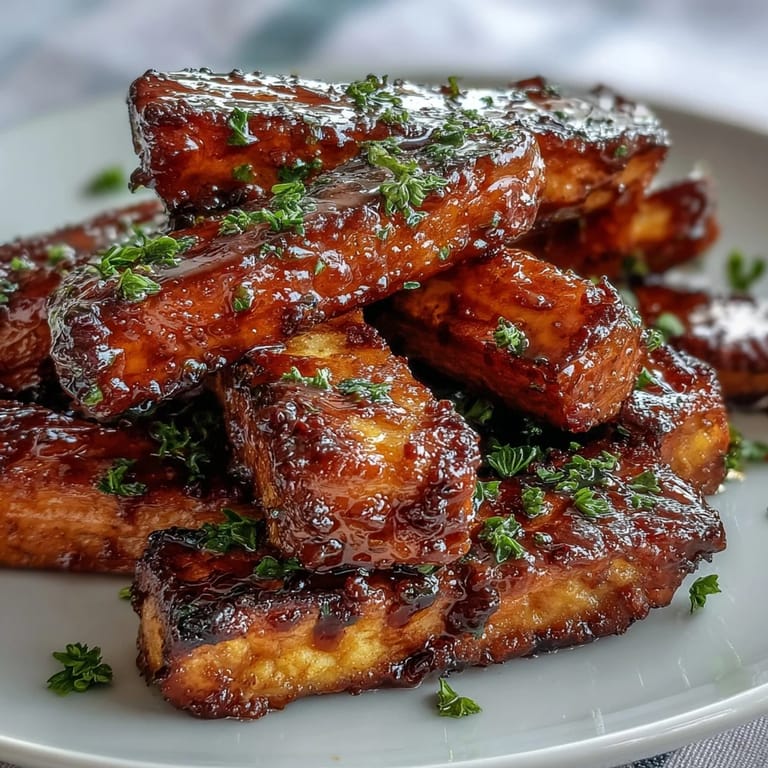
- Transfer to a serving dish, sprinkle with fresh parsley if you have it, and serve warm alongside whatever protein brought you to make this in the first place.
 Save
Save There was an evening when my teenage son, who'd been subsisting entirely on pizza and cereal, tried these without complaining and asked for the recipe. Turns out he wanted to make them for his girlfriend, and that small moment felt like proof that real food connects people in ways that shortcuts never can.
The Magic of Caramelization
The reason these vegetables taste so much better than boiled or steamed versions is that the honey and heat create something called the Maillard reaction, which is a fancy way of saying that simple sugars and proteins transform into hundreds of new, complex flavors. You can actually watch this happen if you pay attention; the vegetables start pale and gradually turn golden and bronze at the edges, and that's when you know the flavor has deepened. It's the same reason roasted chicken tastes better than poached, and it's worth understanding because it explains why we're spending the extra time here.
Flexibility and Substitutions
This recipe is forgiving in ways that baking recipes never are, which is one reason I love it. I've swapped the honey for maple syrup when I was out, added a pinch of smoked paprika when I wanted something different, and even drizzled balsamic vinegar over the top at the last minute because I felt like it. The thyme is traditional, but rosemary works beautifully too if that's what you have on hand, and fresh ginger adds a warm spice that surprises people in the best way.
Storage and Serving Ideas
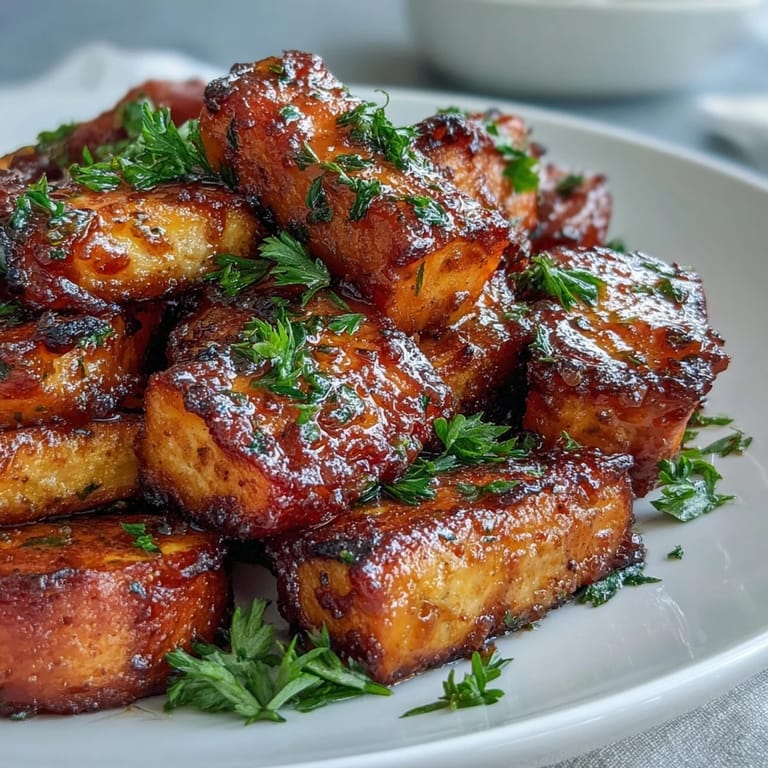
These vegetables are best served hot, but they're honestly just as good at room temperature the next day, which makes them perfect for meal prep or leftover snacking straight from the fridge. You can store them in an airtight container for three days, and I've been known to chop up any leftovers and toss them into a grain bowl or a breakfast scramble to add sweetness and texture. They pair naturally with ham or pork, but they're equally at home alongside roasted chicken, turkey, or even a vegetarian grain bowl where they become the star.
- Reheat gently in a 300°F oven for five minutes to restore some of the glaze's glossiness, or just eat them cold if you're in a hurry.
- Double the recipe if you're cooking for a crowd, because these disappear faster than you'd expect.
- Make this dish ahead of time and store it in the fridge, then warm it through before serving so you have one less thing to worry about on the actual day.
 Save
Save There's something deeply satisfying about a dish this simple that tastes like you know what you're doing. Keep making it, and eventually you'll develop your own variations and memories around it.
Kitchen Questions
- → What temperatures should I roast the vegetables at?
Roast the carrots and parsnips at 400°F (200°C) to achieve tender and caramelized edges.
- → Can I substitute the honey in the glaze?
Yes, maple syrup can be used as a vegan-friendly substitute for honey without sacrificing sweetness.
- → How do I prevent the vegetables from sticking to the baking sheet?
Line the baking sheet with parchment paper and ensure vegetables are spread in a single layer to promote even roasting.
- → What herbs complement honey-roasted carrots and parsnips?
Fresh thyme is used in the glaze, and optional parsley garnish adds fresh herbal notes to the dish.
- → Can I add spice to the honey glaze?
A pinch of chili flakes in the glaze adds a subtle spicy kick without overpowering the natural sweetness.