 Save
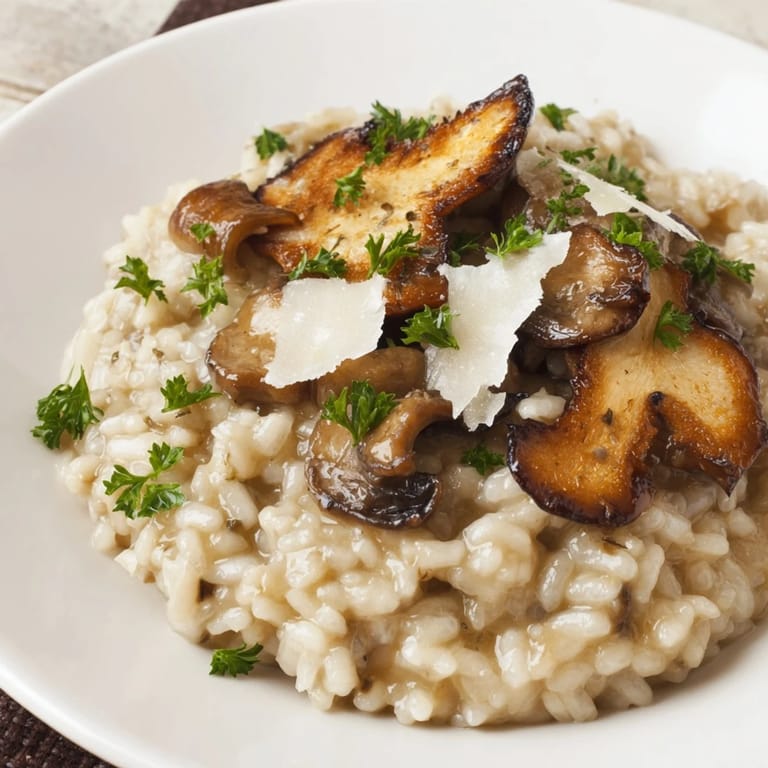
Save There's a particular Tuesday evening that still stands out—the kind where I'd impulsively invited friends over without a real plan for dinner. I opened my fridge and found a cluster of mushrooms from the farmers market, and something clicked. Risotto felt like the answer, even though I'd only made it once before. That night, as the kitchen filled with the earthy smell of sautéed shiitakes and the gentle sound of the wooden spoon scraping the pan, I realized this dish had a quiet magic to it. By the time I stirred in that last knob of cold butter and the rice turned impossibly creamy, my friends knew they weren't leaving anytime soon.
I'll never forget my grandmother's reaction the first time I made this for a dinner party—she expected something fussy, but instead found herself drawn to the kitchen, watching the rice cook. She told me it reminded her of restaurants she'd visited in Milan, but made with love instead of pretension. That compliment stuck with me more than any review ever could.
Ingredients
- Arborio rice: This isn't just preference—the short, starchy grains are what create that signature creamy texture. Any other rice will give you separate, firm grains instead of that luxurious sauce.
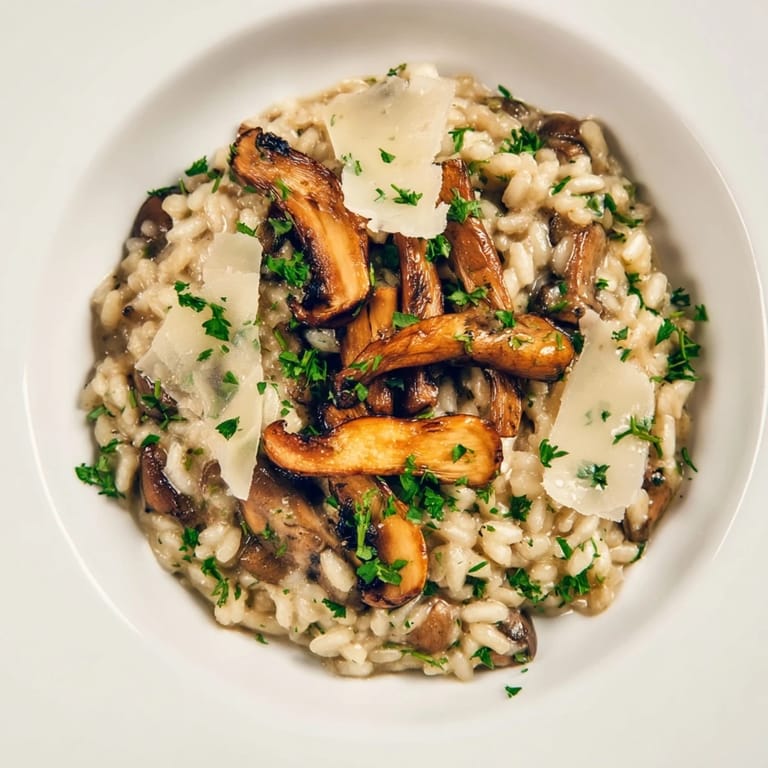
- Mixed wild mushrooms: Cremini, shiitake, and porcini each bring different depth; mixing them means you're not relying on one flavor to carry the dish.
- Vegetable broth, kept warm: Cold broth will shock the rice and interrupt cooking; warm broth gets absorbed smoothly and keeps the whole process moving at the right pace.
- Dry white wine: The acid cuts through the richness and adds brightness that Parmesan alone can't provide.
- Cold butter cubes: These melt at the very end to add silkiness—don't skip this step, and don't use soft butter.
- Freshly grated Parmesan: Pre-grated versions have anti-caking agents that prevent it from melting smoothly into the risotto.
Tired of Takeout? 🥡
Get 10 meals you can make faster than delivery arrives. Seriously.
One email. No spam. Unsubscribe anytime.
Instructions
- Build your flavor base:
- Heat the olive oil and butter together over medium heat, then add the chopped onion. Let it soften for 3–4 minutes—you want it translucent and sweet, not brown. This foundation matters more than people realize.
- Coax out the mushroom magic:
- Once you add the garlic and mushrooms, let them sit undisturbed for a minute or two before stirring. You want them to develop a light golden crust that concentrates their earthy flavor. Keep cooking until any liquid they release has evaporated completely.
- Toast the rice:
- Stir the rice through the mushroom mixture for 1–2 minutes. You'll notice the grains start to look slightly translucent at the edges—that's the signal that they're ready to absorb liquid properly.
- Wake it up with wine:
- Pour in the white wine and stir until it's almost completely absorbed. The rice will smell different now, brighter and more alive.
- The patient dance of broth and stirring:
- Add the warm broth one ladle at a time, stirring frequently but not frantically. Wait until most of the liquid is absorbed before adding more—this takes about 18–20 minutes total. The rice should go from firm to creamy, and when you drag your spoon across the pan, it should leave a brief trail. That's your signal you're close.
- The final flourish:
- Remove from heat and add the cold butter cubes and Parmesan all at once, stirring gently until everything melts together into something almost silky. Fold in half the parsley, taste, and adjust salt and pepper.
- Let it rest and serve:
- Two minutes might seem short, but it lets everything settle into its most luxurious state. Serve immediately with extra Parmesan and a scatter of remaining parsley.
 Save
Save There was a moment last spring when a friend who usually orders takeout sat down to eat this and actually closed her eyes after the first spoonful. No phone, no commentary, just that quiet appreciation that told me everything. That's when risotto stopped being just a recipe for me and became something I make whenever I want people to feel genuinely taken care of.
The Mushroom Question
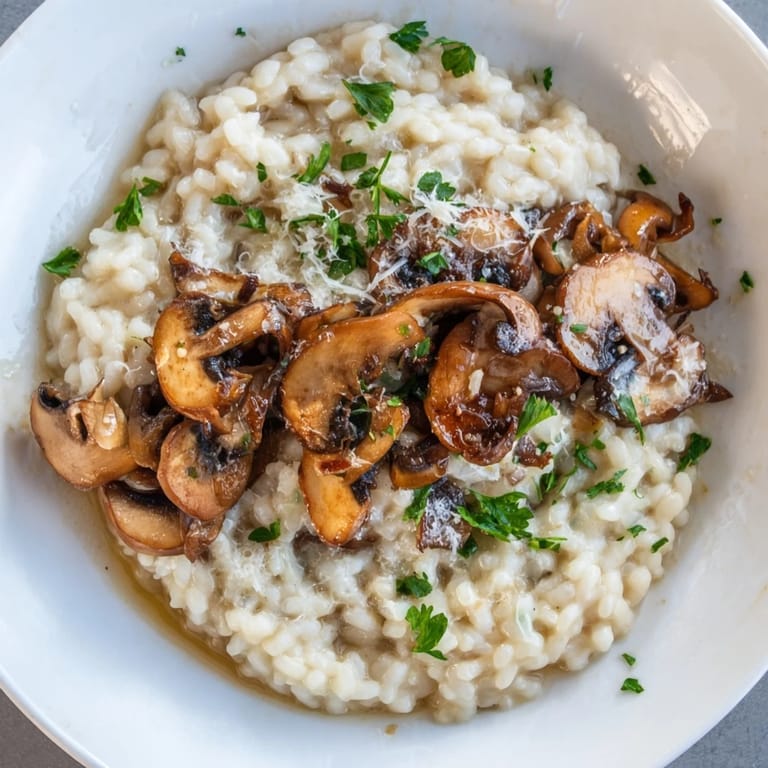
If you can find dried porcini mushrooms, buy them. Rehydrate them in warm water, chop them finely, and add them to the fresh mushrooms—the soaking liquid (strained through cheesecloth or a coffee filter) can replace some of your broth for an almost haunting depth. I learned this trick by accident when I once forgot dried mushrooms were in my pantry, and honestly, I've never made it the same way since. It's the difference between a good risotto and one that makes people ask for the recipe.
Wine Pairing and Serving
A crisp Pinot Grigio or Chardonnay alongside this dish creates a conversation at the table rather than just a meal. The acidity in the wine mirrors the acidity in the risotto, and something about that balance makes everything taste better. I've learned not to overthink wine pairing—if you'd drink it happily on its own, it'll probably shine next to this.
Making It Your Own
The beauty of risotto is that while technique matters, the soul of the dish comes from what you put into it. I've made versions with roasted asparagus in spring, added a handful of fresh peas near the end, even stirred in truffle oil once when I was feeling indulgent. The core method stays the same, but the variations keep it interesting.
- If you're not strictly vegetarian, swapping in chicken broth gives you a lighter but richer flavor that pairs beautifully with mushrooms.
- Don't skip the cold butter at the end—it's the secret to that restaurant-quality creaminess that makes people think you've been cooking all day.
- Make sure your broth stays warm throughout; cold broth will seize the rice and ruin the whole creamy effect you've worked for.
 Save
Save Risotto is one of those rare dishes that rewards attention without demanding stress. Make it once, and you'll understand why Italians have been perfecting it for centuries.
Kitchen Questions
- → What type of rice is used for this dish?
Arborio rice is used because its high starch content creates the creamy consistency typical of this dish.
- → Can I use different kinds of mushrooms?
Yes, a mix like cremini, shiitake, and porcini provides depth and earthiness to the flavor.
- → Why is white wine added during cooking?
White wine adds acidity and complexity, enhancing the overall taste while helping to deglaze the pan.
- → How is the texture achieved?
Gradually adding warm broth and frequent stirring allows the rice to release starch and develop a creamy texture.
- → What finishing touches enrich the dish?
Cubed cold butter, freshly grated Parmesan, and chopped parsley are stirred in last for richness and freshness.
- → Is this dish suitable for vegetarians?
Yes, using vegetable broth keeps it vegetarian, but you can substitute chicken broth if preferred.