 Save
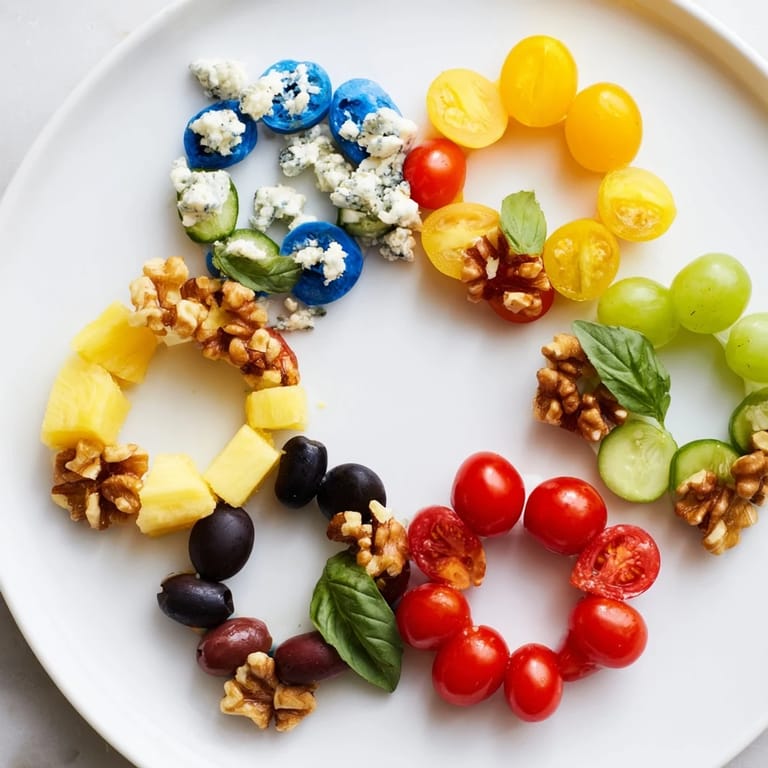
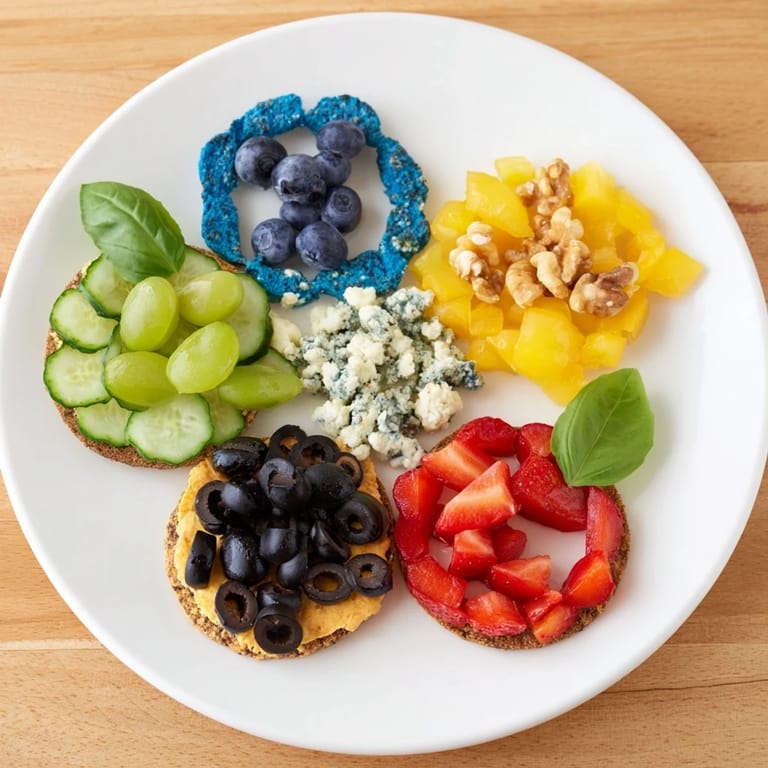
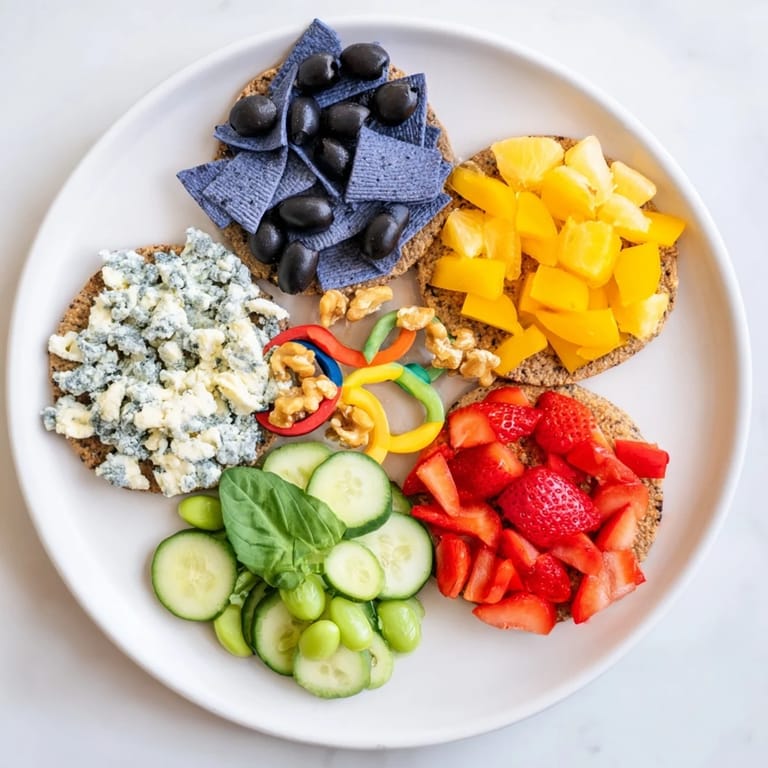
Save I'll never forget the moment I decided to turn the Olympic opening ceremony into dinner party inspiration. I was watching the rings unfold on screen, mesmerized by how they interlocked in perfect harmony, and it hit me: what if I could recreate that magic on a platter? That night, I stayed up sketching circles and jotting down ingredient ideas by color. The next week, when I finally arranged those five interlocking rings of fresh fruits, vegetables, and vibrant elements on a white board, something magical happened. My guests gasped before they ate a single bite. It wasn't just food anymore—it was art, conversation, and pure celebration.
I made this for my sister's promotion party, and watching people circulate the platter like it was a museum exhibit made me realize this wasn't just appetizer—it was an ice breaker. Strangers started talking about which ring they'd try first, comparing flavor discoveries, sharing bites across the table. That's when I knew this platter had something special.
Ingredients
- Blueberries (1 cup): These little orbs anchor the blue ring with natural sweetness and a gorgeous jewel tone. Their slight tartness balances richer elements like the blue cheese.
- Blue corn tortilla chips (1/2 cup, broken into bite-sized pieces): They add that crucial crunch and keep the blue ring from feeling too soft. I break them by hand rather than crushing them to keep the pieces irregular and interesting.
- Blue cheese (1/2 cup, crumbled): The star of the blue ring—tangy, salty, and unmistakably bold. Don't skip the quality here; better blue cheese means better flavor.
- Toasted walnuts (2 tbsp): A small amount goes a long way for texture and earthiness. Toasting them yourself makes all the difference in depth.
- Yellow cherry tomatoes (1 cup, halved): These bring sunshine to the yellow ring with natural sweetness and vibrant color. The halves make them easier to pick up.
- Yellow bell pepper (1/2 cup, diced): Sweet, crisp, and bright—it bridges the gap between the tomatoes and the tropical pineapple beautifully.
- Pineapple chunks (1/2 cup): A surprising burst of tropical flavor that makes the yellow ring feel like a mini vacation in every bite.
- Toasted cashews (1/4 cup): Milder and buttery compared to walnuts, they add richness without overpowering the lighter yellow flavors.
- Black olives (1/2 cup, sliced): Briny and sophisticated, they're the backbone of the black ring's savory appeal. I use kalamata when I can.
- Black grapes (1 cup, halved): They provide sweetness that balances the salty olives and the earthiness of the beans.
- Black bean hummus (1/2 cup): Creamy, protein-rich, and the perfect anchor for spreading or dipping. You can find it pre-made or make it from scratch.
- Pumpernickel bread (1/2 cup, cut into small rounds): Dark, hearty, and traditional—these little rounds are sturdy enough to hold the hummus and add a malty depth.
- Cucumber slices (1 cup): The green ring's refreshing foundation. I slice them on a slight angle for elegance and try to keep them uniform.
- Green grapes (1/2 cup, halved): Sweet counterpoint to the fresh cucumber, they add subtle sophistication to this ring.
- Edamame (1/2 cup, shelled and steamed): Tender, slightly nutty, and absolutely essential for the green ring's texture story. A little sea salt on top is never wrong.
- Fresh basil leaves (1/4 cup): The herbal spark that makes you close your eyes for a moment. I add these just before serving so they stay vibrant.
- Cherry tomatoes (1 cup, halved): The obvious choice for the red ring, but their sweetness is the perfect entry point for guests hesitant about the other rings.
- Red bell pepper (1/2 cup, diced): Sweet and crisp, it echoes the yellow ring's structure but in red, creating beautiful visual rhythm.
- Strawberries (1/2 cup, halved): A touch of unexpected sweetness that makes people smile when they bite into the red ring. It's the secret charm.
- Roasted red pepper hummus (1/4 cup): Smoky and complex, it adds depth to what could otherwise be a straightforward ring.
Tired of Takeout? 🥡
Get 10 meals you can make faster than delivery arrives. Seriously.
One email. No spam. Unsubscribe anytime.
Instructions
- Set your stage:
- Find your largest, most beautiful serving platter or wooden board—this is your canvas. If you're nervous about placement, use parchment paper underneath to lightly sketch five interlocking circles as a guide. Think of it like a painter's preliminary sketch; no one will see it, but you'll feel more confident.
- Prepare your elements:
- Wash, slice, dice, and arrange all your ingredients in separate small bowls before you begin building. Having everything prepped and ready means you can focus on the artistry rather than scrambling with a knife. Toast your nuts and walnuts in a dry skillet for just a few minutes until fragrant—this step elevates everything.
- Start with blue:
- Lay down your first ring on the left side of the platter using the five Olympic ring positions. Scatter blueberries, then crumbled blue cheese, then tortilla chip pieces, then walnut bits in a loose circular pattern. The arrangement doesn't need to be perfect; organic and abundant looks more inviting.
- Layer in yellow:
- Next to blue, create the yellow ring by distributing halved cherry tomatoes, diced bell pepper, pineapple chunks, and cashews in circular motion. Let this ring slightly overlap with the blue ring—that's what makes it feel like the Olympic symbol coming to life.
- Build black:
- At the top center, position your black ring using sliced olives, halved black grapes, small spoonfuls of black bean hummus, and pumpernickel rounds. This ring should overlap slightly with both blue and yellow, creating that interlocking magic.
- Create green:
- Below black and to the right, arrange cucumber slices in a slight fan pattern, then scatter green grape halves, steamed edamame, and fresh basil leaves. The basil should catch the light—position a few leaves so they stand up slightly.
- Complete with red:
- Finally, place your red ring at the bottom right, overlapping with both black and green. Use halved cherry tomatoes, diced red pepper, strawberry halves, and small dollops of roasted red pepper hummus. This is your finale, so make it feel celebratory.
- Step back and admire:
- Take a moment to look at what you've created. Move pieces around if needed. Add a little extra basil if green needs more pop, or a few more nuts if something looks sparse. The platter should feel abundant, not sparse.
- Serve with intention:
- Serve immediately while everything is crisp and fresh, or cover loosely with plastic wrap and refrigerate for up to 2 hours. If chilling, wait to add basil leaves until just before serving so they stay bright green and fragrant.
 Save
Save I remember my 8-year-old nephew leaning over the platter at a family gathering, pointing at each ring and saying, 'It's like the whole world in food form.' That's exactly what this became—a visual reminder that we're all connected through what we eat and celebrate together.
Making It Your Own
The genius of the Olympic rings concept is its flexibility. I've made this platter using whatever looked good at the farmer's market that week, swapping out almonds for cashews when walnuts weren't available, or using beets instead of tomatoes in the red ring when I was feeling adventurous. The structure stays the same, but the flavors tell your story. Your version will be different than mine, and that's the whole point.
Timing and Prepping Like a Pro
The 35 minutes mentioned is realistic only if you're organized. Spend the first 15 minutes prepping everything into bowls while maybe toasting your nuts and basking in anticipation. The actual arrangement takes only about 20 minutes once you start, and most of that is the peaceful, meditative work of placing colors side by side. I often prep the ingredients earlier in the day and then spend those 20 minutes arranging everything an hour or so before guests arrive. It's become my favorite part of hosting—a little quiet ritual that gets me centered before the party begins.
The Platter as Conversation Starter
This isn't just an appetizer; it's an icebreaker with colors. Guests naturally gather around it, ask questions about ingredients, sample different rings, and start sharing their own food stories. I've seen people who would normally be strangers bonding over whether the red ring or the blue ring was their favorite. That's the real power here.
- Set the platter at a central, well-lit location where guests can see it the moment they walk in
- Have small plates or napkins nearby, but don't make it feel like a formal serving—this dish is meant to be grazed on, not plated up
- Serve alongside a simple light wine like Sauvignon Blanc, or a sparkling water with lemon for something alcohol-free and equally refreshing
 Save
Save Every time I make this platter, I'm reminded that the best meals are the ones that bring people together, not just because the food is delicious, but because they create moments worth remembering. The Olympic rings on your table become a symbol of unity, creativity, and the joy of shared celebration.
Kitchen Questions
- → How do I assemble the platter accurately?
Lightly sketch five interlocking circles using parchment paper as a guide, then arrange the themed ingredients in circular patterns, overlapping rings to mimic the Olympic symbol.
- → Can I make the platter nut-free?
Yes, substitute the walnuts and cashews with seeds or omit them entirely to keep the platter nut-free without compromising texture.
- → What are good serving suggestions?
Serve immediately or refrigerate up to 2 hours. Pair with assorted gluten-free crackers and a light white wine like Sauvignon Blanc for complementing flavors.
- → Is this suitable for vegan diets?
Yes, use plant-based cheese and hummus alternatives to make the platter vegan-friendly.
- → How can I ensure gluten-free options?
Replace the pumpernickel rounds with gluten-free bread or crackers, and verify all packaged ingredients for gluten content.