 Save
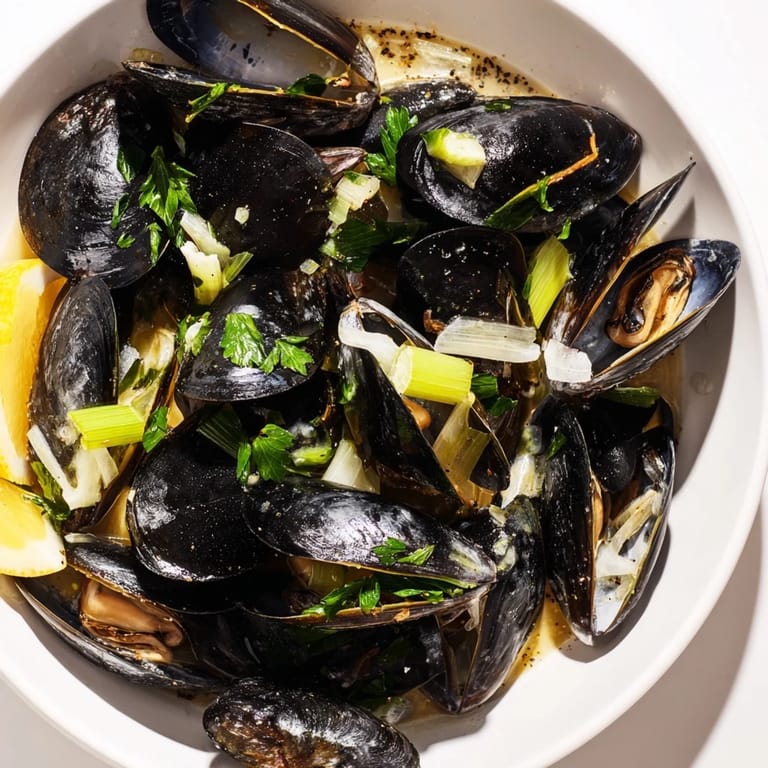
Save There's something about the sound of mussels hitting the bottom of a hot pot that makes you feel like you're cooking something genuinely special. I learned to make moules marinière on a rainy October evening in Brussels, watching a neighbor steam open shell after shell with the kind of casual confidence that only comes from making something a hundred times. The aroma that rose from that pot—white wine mingling with garlic, thyme, and the ocean itself—felt like an invitation to slow down and pay attention.
I made this for my partner on a Tuesday night when we needed something that felt both comforting and a little bit fancy, and it became the dish we return to whenever we want to remember why we love cooking together. Something about the ritual of it—the chopping, the steam rising from under the lid, the collective sigh when you lift it to find every shell has opened—turns a simple weeknight dinner into a small celebration.
Ingredients
- Fresh live mussels (2 kg): Look for ones that feel heavy and smell like the ocean, not like ammonia—the weight means they're full of brine and flavor. Discard any that stay open when tapped; they're already gone.
- Shallots (2 medium): Their sweetness balances the wine and salt better than onions ever could, and they soften into almost nothing while flavoring everything.
- Garlic (2 cloves): Minced fine so it dissolves into the broth rather than lingering as chunks—this is about flavor diffusion, not garlic presence.
- Leek, white part (1 small): Milder than onion, it adds subtle sweetness and body to the broth without overpowering the mussels.
- Celery (2 stalks): The unsung hero that adds minerality and depth; don't skip it even though it seems invisible in the final dish.
- Fresh flat-leaf parsley (1 small bunch): Stirred in at the very end so it stays bright green and adds a fresh punctuation mark to all that wine-soaked richness.
- Fresh thyme and bay leaf: These two herbs are the backbone—they infuse the broth with an herbal whisper that feels almost perfumed.
- Dry white wine (300 ml): Use something you'd actually drink; cheap wine makes cheap-tasting broth, but you don't need anything fancy.
- Olive oil (2 tbsp): Good oil matters here because it's not hiding in a complex sauce—it's one of the few fats in the whole dish.
- Black pepper and sea salt: Taste as you go; the mussels themselves are salty, so you might need less than you think.
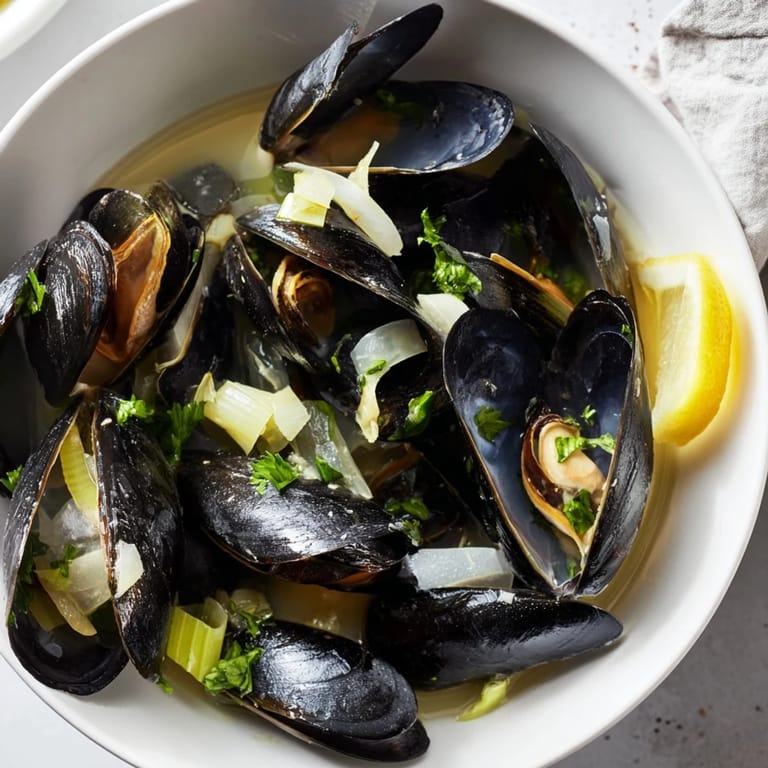
- Lemon wedges: For squeezing into the broth at the table—brightness cuts through richness.
Tired of Takeout? 🥡
Get 10 meals you can make faster than delivery arrives. Seriously.
One email. No spam. Unsubscribe anytime.
Instructions
- Prepare the mussels:
- Hold each mussel under cold running water and scrub with your fingers or a small brush, pulling off any hair-like fibers along the seam. Discard any that are cracked, already open, or don't close when you tap them—these ones are dead and will ruin your broth.
- Build the aromatics:
- Heat olive oil in your largest pot over medium heat until it shimmers, then add shallots, garlic, leek, and celery. You're not browning them; you're coaxing out their sweetness, so let them soften gently for a few minutes until the whole kitchen smells like the beginning of something delicious.
- Add the herbs and wine:
- Scatter thyme sprigs and the bay leaf over the vegetables, then pour in the white wine. Let it come to a gentle simmer so the alcohol burns off and the wine becomes part of the broth rather than an ingredient hanging separate.
- Steam the mussels:
- Pour in your cleaned mussels, cover the pot tightly with a lid, and crank the heat to high. In about five to seven minutes, you'll hear them rattling against the pot and smell that briny steam escaping—that's your signal that they're opening. Shake the pot once or twice so they cook evenly, but don't peek constantly.
- Finish and serve:
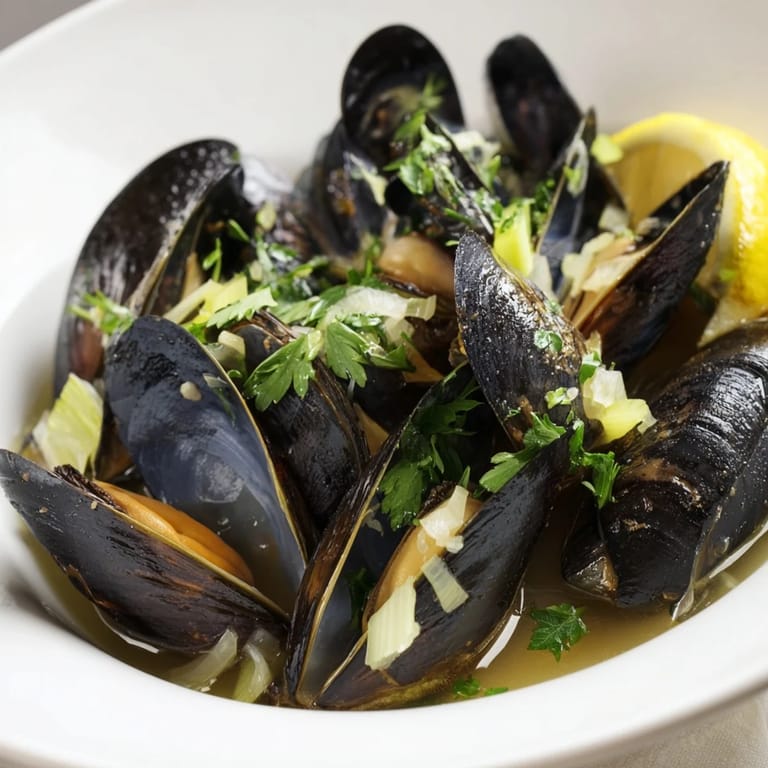
- When most of the shells have opened wide, remove from heat and discard any stragglers that stayed closed—they didn't make the cut. Stir in the fresh parsley, taste the broth, and add black pepper and salt if it needs it.
 Save
Save I once made this for a dinner party where someone said moules marinière seemed too fancy to make at home, and then watched them eat every mussel and spoon up the broth like it was the best-kept secret in the kitchen. That moment—when you realize something impressive is also deeply simple—is exactly why this dish matters to me.
Why This Dish Works
Moules marinière works because it respects the ingredient instead of trying to improve it. The mussels are already briny and flavorful; you're just creating an aromatic bath that lets them steam themselves open and infuse the broth with their brine. The wine adds acid and complexity, the herbs add whispers of flavor, and the butter—if you add it—makes everything feel luxurious. Nothing overpowers; everything supports.
The Bread Equation
You cannot make this dish without crusty bread nearby. The mussels are important, but the bread is sacred—it exists solely to soak up that broth, which is arguably the best part of the entire meal. In Belgium, they serve it with fries and mayonnaise, which feels decadent and right, but honestly, even plain crusty bread transforms into something transcendent when it's been swimming in mussel broth.
Variations and Additions
This recipe is a template that begs for tweaking. Some nights I add two tablespoons of butter at the end to make the broth silky and rich, and other nights I leave it alone because the purity of the broth feels like the whole point. You could add a splash of cream if you want it richer, or fresh chili if you want heat, but the true magic happens when you resist the urge to complicate it.
- For extra richness, whisk in 2 tablespoons of cold butter just before serving to make the broth glossy and luxurious.
- A pinch of saffron stirred into the wine before it simmers adds color and a subtle floral note, though it transforms the dish into something different.
- Serve alongside Belgian fries and mayonnaise for the traditional pairing that somehow makes everything taste better.
 Save
Save This dish reminds me that the best meals don't need to be complicated to be memorable—they just need to be made with attention and served with people you want to spend time with. Moules marinière is my shortcut to both.
Kitchen Questions
- → How do I clean fresh mussels properly?
Rinse mussels under cold running water, scrub shells to remove debris, and debeard them by pulling out the fibers. Discard any that are cracked or remain open when tapped.
- → What wine pairs well for steaming mussels?
A dry white wine such as Sauvignon Blanc or Pinot Grigio works best to enhance the mussels’ natural flavors without overpowering them.
- → Can I substitute any aromatics if not available?
Yes, shallots may be replaced with a small yellow onion. The flavor will be slightly different but still complementary.
- → How long should mussels be steamed?
Steam mussels for about 5 to 7 minutes, or until all shells have opened. Discard any that remain closed.
- → What are ideal accompaniments for this dish?
Serve with crusty bread to soak up the broth, or classic Belgian fries with mayonnaise for a traditional touch.
- → Is it necessary to add salt to the broth?
Mussels can be naturally salty, so taste the broth before adding salt; adjust as needed for balanced seasoning.