 Save
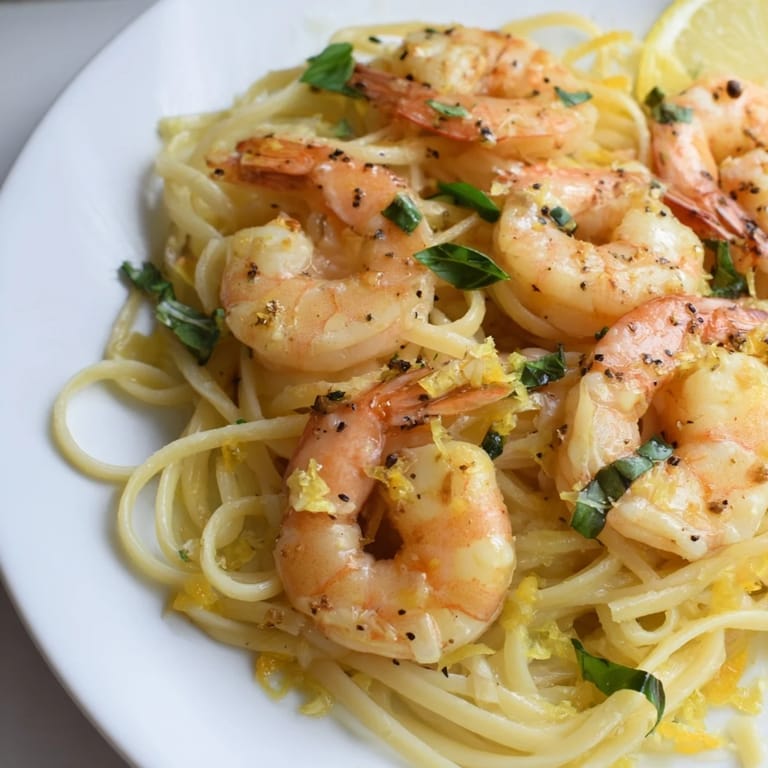
Save There's something about the smell of lemon hitting hot garlic that makes me stop whatever I'm doing and pay attention. I discovered this pasta quite by accident one summer evening when I had shrimp that needed using and a lemon tree that was absolutely overflowing. What started as an improvisation became the dish I reach for whenever I want something that feels both elegant and effortless, ready in the time it takes to boil water.
I made this for my neighbor last spring when she mentioned being tired of the same rotation of meals, and watching her face light up when she tasted it made me realize how much a dish like this depends on its freshness and simplicity. She asked for the recipe three times before I actually wrote it down, and now it's become something we make together when we both need a break from cooking alone.
Ingredients
- Large shrimp, peeled and deveined (400 g or 14 oz): Look for ones that are firm and smell like the ocean, not fishy—that's your first sign they're fresh and worth your time.
- Linguine or spaghetti (340 g or 12 oz): This pasta is forgiving; pick whichever you have or prefer, as long as it cooks to that perfect tender-but-still-has-a-bite stage.
- Garlic, minced (3 cloves): Mince it right before you need it so it releases all those pungent, aromatic oils that make your kitchen smell incredible.
- Lemon zest and juice (from 1 large lemon): Use a microplane or fine grater for the zest so you get those bright oils without the bitter white pith underneath.
- Fresh parsley, finely chopped (3 tbsp): This is your green, fresh finish—don't skip it or substitute dried, as the difference is everything here.
- Fresh basil, finely chopped (2 tbsp, optional): If you have it, add it; if not, parsley alone is completely enough and still delicious.
- Extra-virgin olive oil (3 tbsp): This is where quality matters since it's a key flavor in such a simple dish, so use one you actually enjoy tasting.
- Unsalted butter (1 tbsp): It enriches the sauce just enough to make everything feel creamy without overwhelming the bright lemon.
- Salt and freshly ground black pepper, to taste: Taste as you go; you'd be surprised how much seasoning a silky pasta sauce can hold.
- Lemon wedges, fresh herbs, and Parmesan cheese for serving: These finishing touches are optional but transform the plate from good to something people remember.
Tired of Takeout? 🥡
Get 10 meals you can make faster than delivery arrives. Seriously.
One email. No spam. Unsubscribe anytime.
Instructions
- Get your water boiling and pasta started:
- Fill a large pot with salted water—make it taste like the sea—and bring it to a rolling boil before adding your pasta. Cook according to package directions until al dente, which means it should have a slight resistance when you bite it, not mushy or crunchy.
- Prep your shrimp while pasta does its thing:
- Pat each shrimp dry with paper towels and season them lightly with salt and pepper; this helps them develop a delicate crust when they hit the hot oil.
- Sear the shrimp until they turn pink:
- Heat 2 tablespoons of olive oil in a large skillet over medium-high heat until it shimmers, then add the shrimp in a single layer without crowding the pan. Cook for about 1 to 2 minutes per side until they shift from translucent to opaque pink, then transfer them to a plate.
- Build your sauce base with garlic:
- Lower the heat to medium, add the remaining olive oil and butter to the same skillet, then sauté your minced garlic for just 30 seconds until fragrant—don't let it brown or it turns bitter.
- Toss the pasta in the lemony oil:
- Add your drained pasta to the skillet along with the reserved pasta water, lemon zest, and lemon juice, tossing everything together so the starchy water creates a silky, light sauce that clings to every strand.
- Bring everything back together:
- Return the shrimp to the pan, scatter in the parsley and basil, and toss gently until everything is coated and warmed through, then taste and adjust your salt and pepper.
- Serve while it's still warm:
- Plate it immediately with extra herbs, a squeeze of fresh lemon, and Parmesan if you like, before the pasta cools and loses that silky texture.
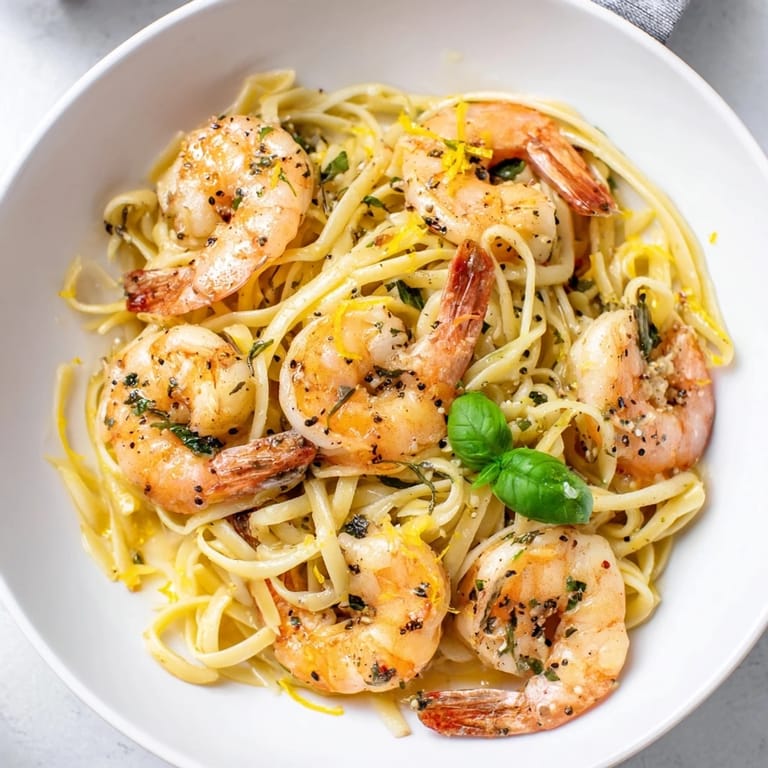 Save
Save The first time I served this to someone who said they didn't really like shellfish, watching them eat an entire plate and ask for seconds made me understand that it's not always the ingredient itself—sometimes it's about how you treat it, the freshness you bring to the table, and the care you take in those few crucial minutes.
Why This Dish Feels Restaurant-Quality at Home
The secret is that there's nowhere to hide with just a few ingredients, which means everything has to be good. You can't cover up mediocre shrimp with a heavy sauce or mask stale garlic with spices, so this dish forces you to pay attention and use the best things you can find. That constraint is actually what makes it so rewarding—when you nail it, it feels effortless, almost like you didn't have to try at all.
Timing and Temperature Matter More Than You'd Think
I've learned that rushing this dish or trying to multitask while making it almost always shows up in the final bite. If you keep your heat at the right level and don't overcrowd the skillet when searing the shrimp, and if you actually taste the pasta while it's cooking instead of just guessing, you end up with something that tastes like you spent an hour on it when you really spent 30 minutes focused.
Variations That Still Feel True to the Dish
This recipe is a foundation that actually welcomes small changes depending on what you have or what mood you're in. Sometimes I add a pinch of red pepper flakes for warmth, or I'll toss in some cherry tomatoes that have been halved and warmed through, or I'll swap the basil for fresh mint if that's what's growing. The bones of the dish—the shrimp, the lemon, the fresh herbs—are what make it sing, and everything else is just your personal touch.
- A small pinch of red pepper flakes adds subtle heat without overwhelming the brightness of the lemon.
- Halved cherry tomatoes or fresh peas stirred in at the end bring color and texture if you want something a little heartier.
- Swapping fresh herbs like mint or dill for the basil keeps the dish feeling current with your garden or what looks best at the market.
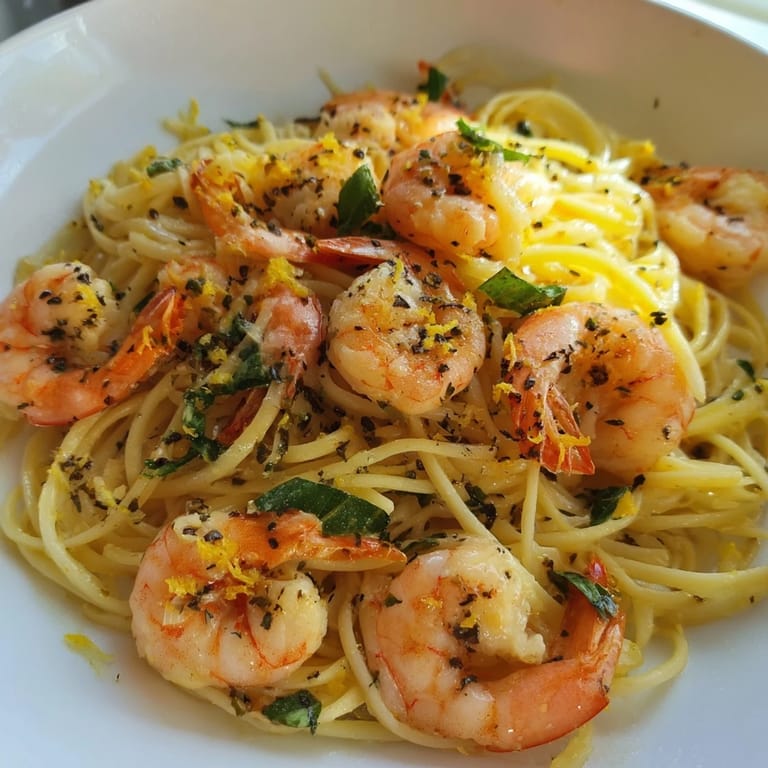 Save
Save This is the kind of dish that reminds you why cooking at home matters—not because it's complicated or shows off your skills, but because it can be ready in the time it takes to open a bottle of wine and set the table, and it tastes like actual effort and care. Make it when you want to feel both nourished and a little bit celebrated.
Kitchen Questions
- → How do I prevent shrimp from overcooking?
Cook shrimp briefly on medium-high heat until just pink and opaque, about 1–2 minutes per side, then remove immediately to avoid toughness.
- → Can I substitute different pasta types?
Yes, linguine, spaghetti, or fettuccine work well, offering similar texture and sauce adherence.
- → How to keep the dish light yet flavorful?
Use fresh lemon zest and juice along with herbs and garlic; adding minimal butter and olive oil balances richness without heaviness.
- → Is it possible to make this dish dairy-free?
Omit the butter and Parmesan cheese for a dairy-free version without compromising flavor.
- → What wine pairs best with this meal?
Light white wines like Sauvignon Blanc or Pinot Grigio complement the citrus and seafood notes nicely.