 Save
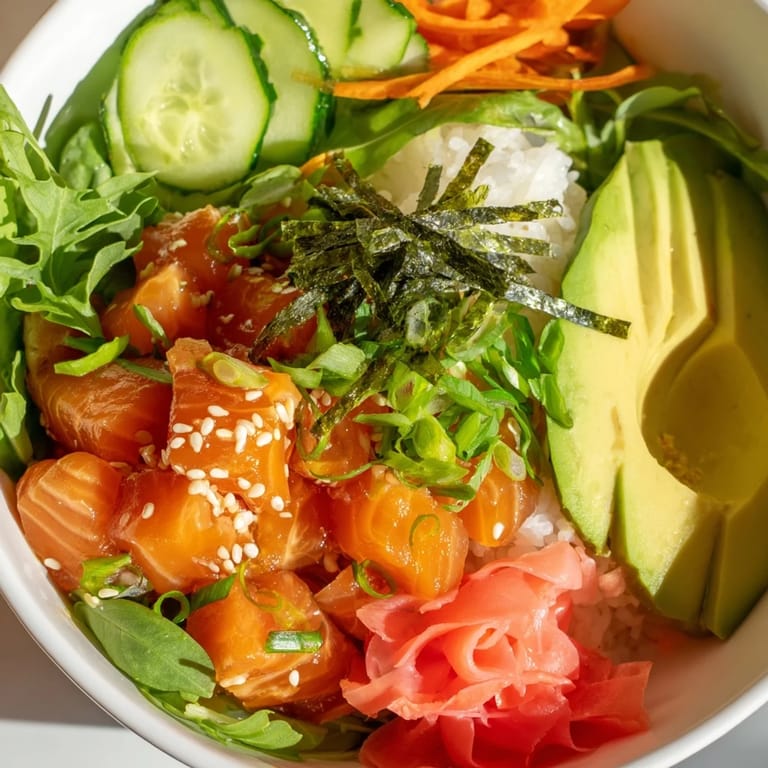
Save There's something almost magical about assembling a poke bowl—the way the sliced fish catches the light, how the colors arrange themselves like edible art on your counter. I discovered this dish during a spontaneous lunch with a coworker who wouldn't stop raving about the spot near her apartment, and I've been quietly obsessed ever since. What drew me in wasn't just the fresh fish or the careful balance of flavors, but how quickly it came together once I stopped overthinking it. Now it's become my go-to when I want something that tastes restaurant-quality but doesn't demand hours in the kitchen.
I remember making this for a small dinner party on a humid summer evening when nobody felt like eating anything hot, and watching my friends genuinely impressed by how simple yet complete the meal felt. One guest kept asking if I'd gotten it from a restaurant, which became my favorite kind of compliment. That moment crystallized something I'd suspected: the best meals aren't always the most complicated ones.
Ingredients
- Sushi-grade salmon or tuna: This is where quality matters most—ask your fishmonger for their sushi-grade option, and don't settle for anything less because you're eating this raw and it deserves that respect.
- Soy sauce: The backbone of your marinade, and honestly worth keeping the good stuff in your pantry because it's that crucial.
- Sesame oil: A little goes a long way, and if it seems strong on its own, that's exactly how it should taste—it mellows beautifully once it meets the fish.
- Rice vinegar: This brings the brightness that prevents the bowl from feeling heavy, even though it's loaded with nourishing ingredients.
- Fresh ginger: Freshly grated makes a real difference—the kind you buy pre-minced won't give you those little bursts of clean heat.
- Honey or maple syrup: Just enough to round out the sharp edges and give the marinade a subtle sweetness that makes you reach for another bite.
- Mixed salad greens: Pick whatever looks crisp at the market, though I've found that a mix of peppery arugula and tender spinach works especially well.
- Cucumber and avocado: These provide texture contrast and a cooling effect that balances the umami-rich fish and dressing.
- Julienned carrots: Beyond the crunch, they add a visual brightness that makes the whole bowl feel less heavy.
- Sushi rice or brown rice: Optional but honestly transforms this from a salad into a proper main course that sticks with you.
- Sesame seeds, scallions, and nori: These finishing touches are what make people pause and take a second look before digging in.
Tired of Takeout? 🥡
Get 10 meals you can make faster than delivery arrives. Seriously.
One email. No spam. Unsubscribe anytime.
Instructions
- Make your marinade:
- Whisk together soy sauce, sesame oil, rice vinegar, grated ginger, honey, and minced garlic in a bowl—you're aiming for something that smells immediately inviting and tastes balanced between salty, tangy, and just slightly sweet. Taste it and adjust to your preference because this is your flavor foundation.
- Marinate the fish:
- Add your perfectly cubed fish to the marinade and toss gently so each piece gets coated without breaking apart. Pop it in the fridge for at least ten minutes while you prep everything else—this is when the fish starts absorbing all those flavors you just built.
- Prep your salad base:
- Arrange your greens, cucumber slices, avocado, and carrots in individual bowls, leaving room in the center for the star ingredient. This is actually kind of meditative if you let it be—no rush, just layering as you go.
- Bring it together:
- Spoon the marinated fish and all that precious marinade liquid right over your salad base, making sure each bowl gets its fair share. The dressing will start mingling with the greens and you'll feel that moment where all the components suddenly become one dish.
- Garnish and serve:
- Top with sesame seeds, scallions, nori strips, and pickled ginger—each one adds something distinct, so don't skip them even if they seem optional. Serve immediately while everything is still crisp and the fish is perfectly chilled.
 Save
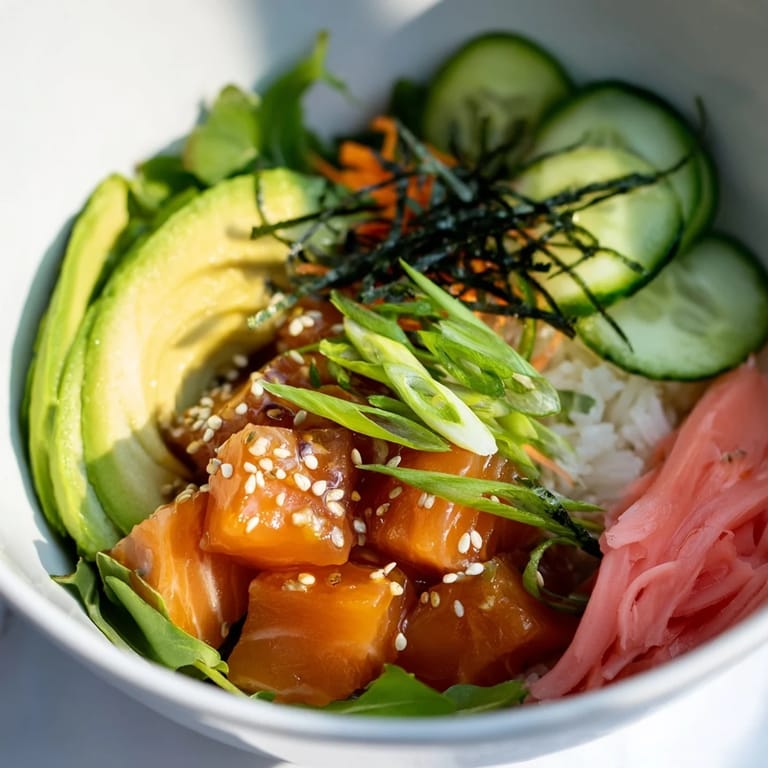
Save There's a specific kind of pleasure in eating something this fresh and vibrant in the middle of your day—it feels like you're doing something right for yourself without any guilt attached. It's nourishing and indulgent at the same time, which might be why I keep coming back to it.
Why This Marinade Works
The magic of a poke marinade is that it's engineered to complement raw fish rather than mask it. Soy sauce brings umami depth, sesame oil adds richness, and the combination of vinegar and ginger cuts through with brightness. The honey is there as a tiny whisper of sweetness—just enough to make your palate happy without making it dessert. I've learned that the best marinades don't scream for attention; they make the main ingredient taste even more like itself.
Building Your Bowl with Intention
The beauty of a poke bowl is that it's forgiving in a way that appeals to real home cooks. You're not trying to nail some impossible technique; you're just arranging ingredients that taste good together. I've started thinking of the bowl as having layers of flavor and texture—the crisp greens provide foundation, the creamy avocado brings smoothness, the carrot adds sweetness, and then the fish and marinade come in as the bold statement. Even minor variations based on what you have on hand will work beautifully.
Customizations and Add-Ons
Once you understand the basic structure, this bowl becomes a canvas for whatever strikes your fancy. On nights when I want something heartier, I add that optional rice or even some cooked edamame. Sometimes I'll swap in marinated tofu when I'm cooking for vegetarian friends, and honestly, it's just as satisfying—the marinade does all the heavy lifting regardless of what you're marinating.
- Toss in radish, cucumber, or snap peas for extra crunch and a slightly peppery note.
- Top with a fried egg or some crispy tofu if you want to make it even more of a meal.
- If heat appeals to you, add sliced red chili, a drizzle of sriracha, or a sprinkle of red pepper flakes.
 Save
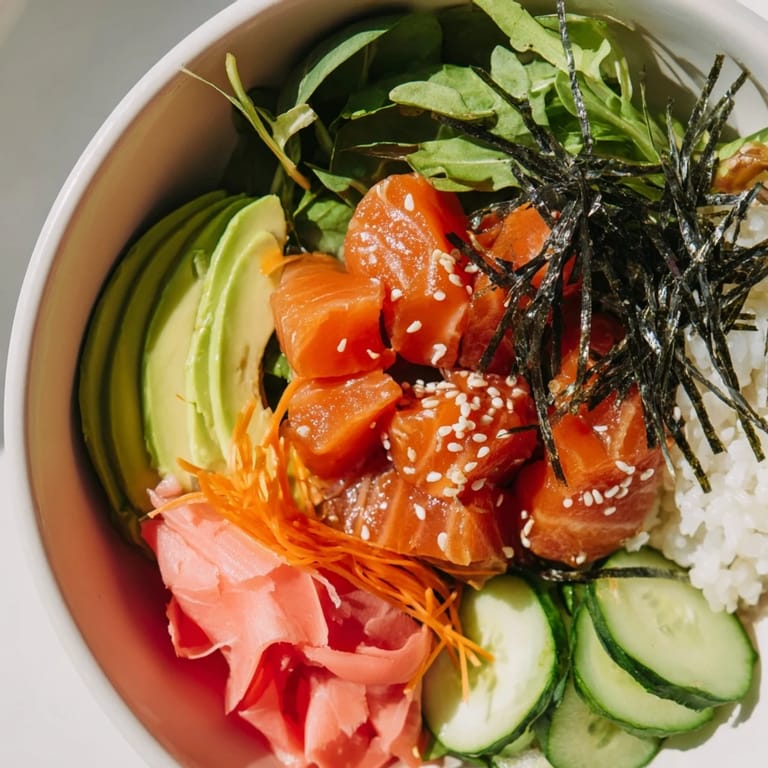
Save This is the kind of meal that reminds you why fresh, quality ingredients deserve your attention. Make it once and you'll understand why it's become such a beloved staple in my kitchen.
Kitchen Questions
- → Can I substitute the fish for a vegetarian alternative?
Yes, diced marinated tofu or tempeh works well as a plant-based substitute, maintaining similar flavors and textures.
- → What type of rice is recommended to use?
Sushi rice is ideal for authentic texture, but brown rice can be used for a nuttier flavor and added fiber.
- → How long should the fish marinate for best flavor?
Marinating the fish for at least 10 minutes allows the soy-ginger mixture to infuse nicely without overpowering freshness.
- → Is this dish suitable for gluten-free diets?
Yes, by using certified gluten-free soy sauce like tamari, the dish can be made gluten-free without sacrificing taste.
- → What garnishes enhance this salad’s flavor?
Toasted sesame seeds, sliced scallions, nori strips, pickled ginger, and a touch of sliced chili add texture and depth.
- → Can I prepare this salad ahead of time?
The fish should be marinated shortly before serving for freshness, but greens and toppings can be prepped in advance.