 Save
Save The first time I made this whole orange cake, my kitchen filled with the heady aroma of citrus before I even slid it into the oven. I remember the way the blender whirred, magically transforming a humble orange into a silken sunshiney mixture. The process felt almost daring—peel and all—yet every step felt reassuring as the zestiness perfumed the air. Sometimes, a simple recipe surprises you by feeling quietly remarkable, right from the start.
Once, I made this cake on a sleepy Sunday for a cousin visiting on a whim—she’d barely set her bags down when the intoxicating scent pulled her to the kitchen. We laughed about the bold choice to use the entire orange as we watched the cake rise golden behind the glass, and every slice tasted like a bite of late afternoon sunshine shared together.
Ingredients
- 1 large seedless orange (organic, washed and quartered): The star ingredient—using organic is a must since you blend the peel, and make sure it’s fresh for the brightest flavor.
- 3 large eggs: These make the batter rich and give the cake its tender, bouncy crumb.
- 150 ml vegetable oil (sunflower or canola): Keeps the cake moist for days, and its neutral taste lets the citrus shine.
- 1 tsp vanilla extract: Subtle, but it rounds out the orange with a mellow sweetness.
- 250 g granulated sugar: Provides structure and balances the orange’s tart edge.
- 250 g all-purpose flour: Go for all-purpose—too much protein from bread flour can make the cake dense.
- 2 tsp baking powder: Don’t skimp—it gives your cake its beautiful lift.
- 1/2 tsp salt: A little sharpness that sharpens all the other flavors.
- Powdered sugar (for dusting, optional): Purely decorative, but the snowy finish makes it feel celebratory.
Tired of Takeout? 🥡
Get 10 meals you can make faster than delivery arrives. Seriously.
One email. No spam. Unsubscribe anytime.
Instructions
- Prep the oven and pan:
- Set your oven to 350°F (175°C). Grease and line a 9-inch cake pan, enjoying the little ritual of smoothing out the parchment.
- Blend the wet ingredients:
- Drop the quartered orange, eggs, oil, and vanilla into a blender—the scent explodes as you blitz until the mixture turns creamy and vivid.
- Mix the dry ingredients:
- In a big bowl, whisk together sugar, flour, baking powder, and salt; you’ll see a snowy, sifted mountain ready for adventure.
- Combine wet and dry:
- Pour the orangey liquid into the flour mix and fold just until streaks disappear—it’ll look rustic and thick; resist the urge to overmix.
- Bake the cake:
- Scrape the batter into your prepared pan, smoothing the top—slide it into the oven and savor the anticipation as it rises and turns golden over the next 45–50 minutes.
- Cool and finish:
- Let the cake rest in its pan for 10 minutes, then turn it out onto a rack; once cool, dust a gentle flurry of powdered sugar over the top.
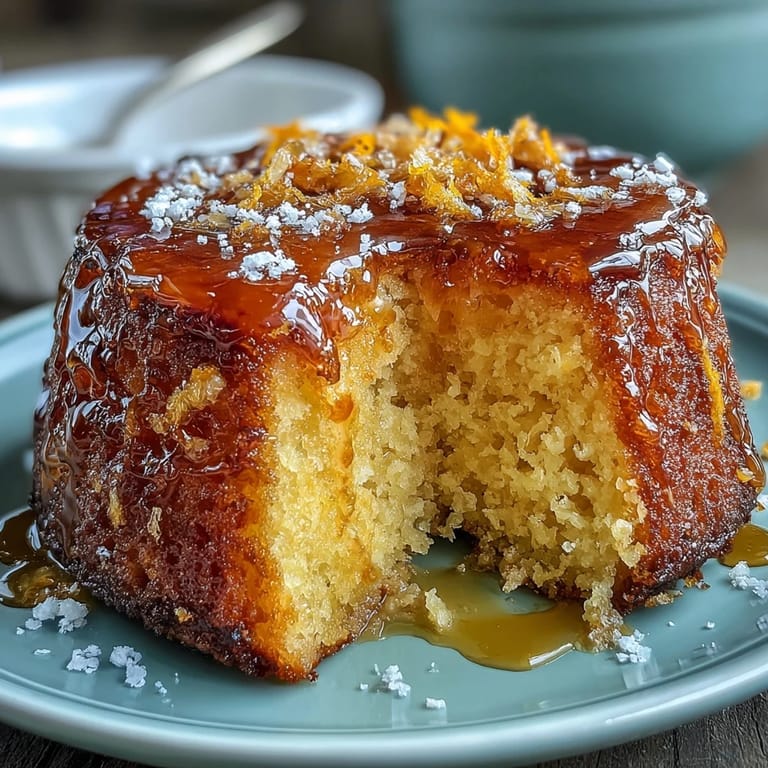 Save
Save It’s funny how a humble cake can spark so much joy—last summer, I brought a still-warm orange cake to my neighbor’s porch after a storm, and the scent alone drew everyone out for an impromptu slice and a chat.
What Makes This Orange Cake Stand Out
Using the entire fruit—peel, pith, and all—lends a depth of flavor you simply can’t get from juice or zest alone. Every bite carries flecks of candied-tasting rind, which means you never lose that zippy edge that wakes up your taste buds.
Swaps and Variations From My Kitchen
If I’m feeling fancy, I’ll whisk in a bit of orange liqueur or scatter cardamom into the batter for a hint of spice; sometimes I serve slices with a scoop of vanilla ice cream on a hot day or a dollop of whipped cream for winter gatherings.
Troubleshooting and Serving Notes
I once forgot to grease the pan thoroughly, and the cake clung stubbornly to the sides—parchment paper is your friend. A cooling rack is key for an even finish, and waiting until the cake is fully cool stops the powdered sugar from melting away instantly.
- Test for doneness by gently tapping the center—if it springs back, it’s ready.
- Store leftovers in an airtight container to keep the crumb moist.
- Enjoy it with tea for an uplifting treat any day.
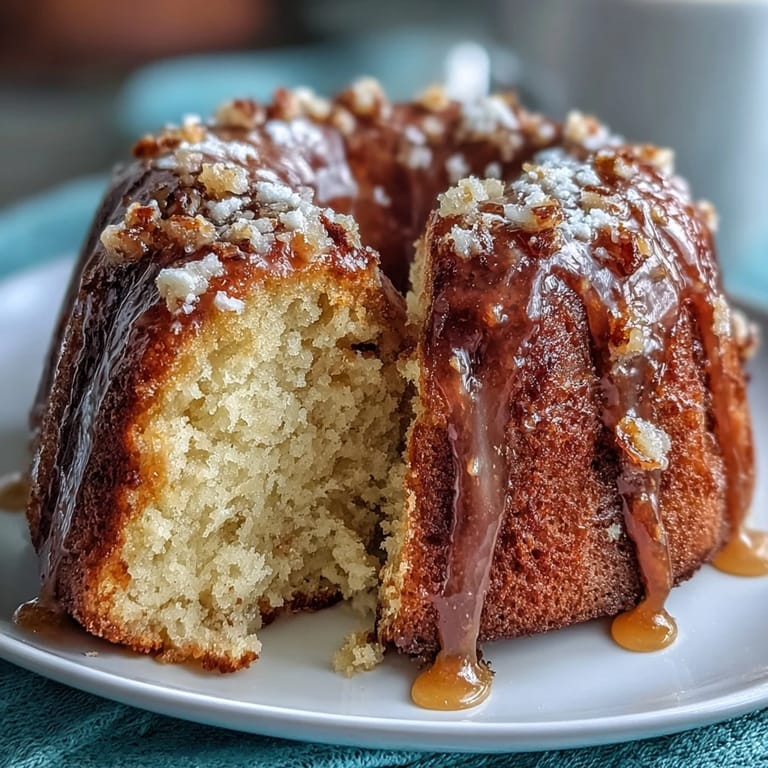 Save
Save May this cake bring a sunny splash to your table—however you serve it, it’s bound to spark smiles and seconds.
Kitchen Questions
- → Why use the whole orange, peel and all?
Using the whole orange gives bright citrus flavor, extra moisture and a fragrant, slightly bitter complexity from the peel. Blending until smooth keeps the texture even and distributes the oils throughout the batter.
- → Can I use an orange with seeds?
Yes—simply remove any large seeds before blending. Small seeds will mostly break down but removing visible seeds prevents bitter bits and keeps the crumb smooth.
- → How do I know when the cake is fully baked?
Bake for 45–50 minutes at 350°F (175°C). The cake is done when the top is golden and a toothpick or skewer inserted in the center comes out clean or with a few moist crumbs, not wet batter.
- → Is this suitable for dairy-free diets?
The batter is dairy-free (oil is used instead of butter), but it contains eggs. To keep it dairy-free, use plant-based toppings; to make it vegan, substitute eggs with flax or aquafaba and expect a slight texture change.
- → Any easy flavor variations or additions?
Add 1 tbsp orange liqueur or ½ tsp ground cardamom to the batter for extra depth. You can also fold in a handful of chopped almonds or piped cream for serving to vary texture and richness.
- → How should I store and reheat leftovers?
Store cooled cake in an airtight container at room temperature for 2–3 days or refrigerate up to 5 days. Warm slices gently in a low oven or microwave briefly; freeze portions wrapped well for up to 2 months.